Choosing the right tool can make automotive cutting jobs faster, cleaner, and safer. Whether you’re working on exhaust systems, rusted fasteners, or body panels, the best option depends on power, control, and blade compatibility.
This roundup of the best reciprocating saws for automotive work focuses on practical picks for garages, body shops, and DIY repair work in 2026.
Best 10 Reciprocating Saws for Automotive Work Picks for 2026
Body Shop Detail Cutter
Astro Pneumatic 930 Air Body Saber Saw
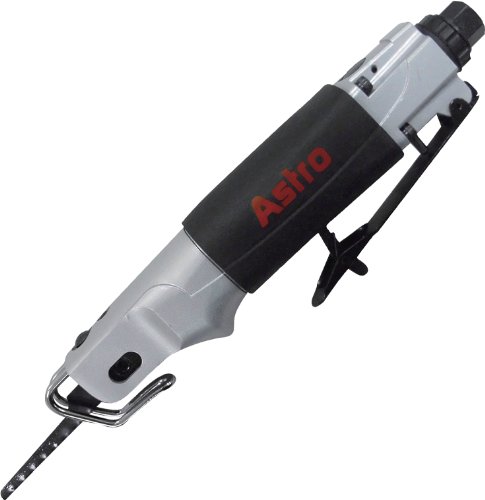
- Pneumatic body saw for shop use
- Cuts sheet metal, aluminum, fiberglass, plastic
- Adjustable blade guide helps blade life
Best For: Body shop repair and exhaust work
Heavy-Duty Corded Workhorse
DEWALT DWE305 12 Amp Reciprocating Saw

- 12 amp motor for heavy-duty cutting
- 4-position blade clamp for flush cuts
- Variable speed trigger and quick blade changes
Best For: General heavy-duty cutting with corded power
Compact One-Handed Cutter
Milwaukee M18 FUEL Hackzall Bare Tool
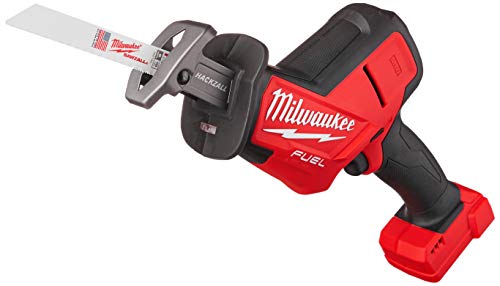
- One-handed design for tight spaces
- Brushless motor with REDLINK Plus intelligence
- Pivoting shoe helps smoother cuts
Best For: Compact cordless cutting with better control
Budget Shop Starter
Skil 9206-02 7.5-Amp Reciprocating Saw
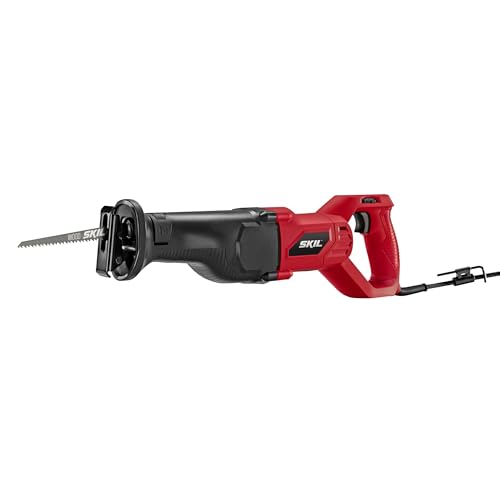
- 7.5 amp motor for basic cutting power
- Tool-less blade changes for convenience
- Counter balance and pivoting foot add control
Best For: Simple corded cutting on a budget
Compact One-Handed Pick
DEWALT ATOMIC 20V MAX Reciprocating Saw

- 12.5-inch compact body
- 37% lighter than DCS367
- Brushless motor with LED light
Best For: Tight-access cutting where a lightweight, one-handed saw is easier to control.
Battery-Loaded Budget Pick
SEESII Cordless Reciprocating Saw Kit

- Includes 2 x 4.0Ah batteries
- Lightweight one-handed design
- Tool-free blade swaps and LED light
Best For: Buyers who want a lightweight kit with extra batteries and included blades.
Tight-Space Pro Pick
Milwaukee M18 Hackzall Reciprocating Saw

- One-handed control in tight spaces
- Anti-vibration handle for less fatigue
- QUIK-LOK blade clamp and LED light
Best For: Confined automotive cuts and overhead work where control and comfort matter most.
Compact Cordless Option
BLACK+DECKER 20V MAX Cordless Reciprocating Saw Kit

- Cordless 20V kit includes battery and charger
- Tool-free blade changes simplify swaps
- Pivoting shoe and variable speed add control
Best For: DIY users wanting a portable saw for light auto and shop tasks
Pneumatic Body Saw Pick
Air Reciprocating Saw for Auto Body Work

- Air-powered saw reaches 9000 strokes per minute
- Low vibration and under-96 dB operation
- Includes blades, wrenches, and air fittings
Best For: Body shops and repair users with an air compressor
High-Runtime Cordless Choice
FULLYEA Cordless Reciprocating Saw

- Up to 3500 SPM for quick cutting
- Two 2.0Ah batteries help extend runtime
- Tool-free blade changes and multi-material cutting
Best For: Users needing a cordless multi-material saw with extra runtime
Body Shop Detail Cutter – Astro Pneumatic 930 Air Body Saber Saw
Astro Pneumatic Tool 930 Air Body Saber Saw with 5pc 24 Teeth per Inch Saw Blades, Black, Silver
Check Price On AmazonIf you’re comparing reciprocating saws for automotive work, this Astro Pneumatic air body saber saw is aimed squarely at body shop and exhaust tasks. Its pneumatic design, 24 TPI blades, and adjustable blade guide make it a practical pick for cutting sheet metal, aluminum, fiberglass, and plastic, especially when you need tight radius curves on flat or curved panels.
Best For: Body shop repair, muffler and exhaust work, and intricate metal cuts.
Pros:
- Designed for body shop repair plus muffler and exhaust work.
- Adjustable blade guide helps increase blade life.
- Handles aluminum, plastic, fiberglass, and sheet metal.
- Built for intricate shapes and tight radius curves.
Cons:
- Pneumatic tool, so it depends on air supply.
- Best suited to cutting tasks rather than general-purpose sawing.
- Included as a bare tool with no batteries or charger.
This is the most specialized option in the group, and that specialization is its strength. For automotive cutting jobs where precision in thin materials matters more than raw versatility, the Astro Pneumatic 930 is a focused shop tool.
Heavy-Duty Corded Workhorse – DEWALT DWE305 12 Amp Reciprocating Saw
For buyers looking at reciprocating saws for automotive work, the DEWALT DWE305 brings a 12 amp corded motor and a 1-1/8-inch stroke length for fast, efficient cutting. Its 4-position blade clamp adds flush-cutting versatility, while the variable speed trigger gives you control when working through different materials and cut styles.
Best For: Heavy-duty, corded cutting where power and versatility matter.
Pros:
- 12 amp motor is built for heavy-duty applications.
- 4-position blade clamp supports flush cutting and versatility.
- Keyless lever-action clamp makes blade changes quick and easy.
- Variable speed trigger helps control cutting speed.
Cons:
- Corded design limits mobility compared with battery tools.
- Listed surface recommendation is wood, so automotive use is more general-purpose than specialized.
- Heavier than compact one-handed models.
This model is a strong fit when you want a standard reciprocating saw with plenty of power and easy blade changes. It is less specialized for auto-body detail work than the Astro tool, but it stands out for general cutting force and control.
Compact One-Handed Cutter – Milwaukee M18 FUEL Hackzall Bare Tool
Milwaukee 2719-20 M18 FUEL Hackzall (Bare Tool), Red, Black, | Saw (Tool Only) Model 2719-20
Check Price On AmazonAmong reciprocating saws for automotive work, the Milwaukee M18 FUEL Hackzall is the compact choice for users who want one-handed control. Its brushless motor, 7/8-inch stroke length, and pivoting shoe are meant to deliver faster cuts, smoother contact, and less vibration when working in tighter spaces.
Best For: One-handed cutting and tight-access jobs with cordless convenience.
Pros:
- One-handed design improves control and versatility.
- POWERSTATE brushless motor and REDLINK Plus intelligence support performance and protection.
- 7/8-inch stroke length helps remove more material per stroke.
- Pivoting shoe maintains contact for smoother cuts with less bucking and vibration.
Cons:
- Bare tool only, so battery and charger are not included.
- More compact format may not suit every heavy-duty cutting preference.
- Surface recommendation is metal, which narrows its general-purpose positioning.
This is the best fit if maneuverability is your top priority. For automotive tasks where one-handed control and compact handling matter, the Hackzall offers a refined cordless approach.
Budget Shop Starter – Skil 9206-02 7.5-Amp Reciprocating Saw
If you want a straightforward option in reciprocating saws for automotive work, the Skil 9206-02 focuses on the basics: a 7.5 amp motor, variable speed, and tool-less blade changes. Its heavy-duty metal gear housing, counter balance, and pivoting foot make it a practical choice for users who want a durable saw with added stability and vibration control.
Best For: Entry-level users who want a durable corded saw with simple operation.
Pros:
- 7.5 amp motor provides solid cutting power.
- Tool-less blade change makes swaps easy.
- Counter balance helps with vibration control.
- Pivoting foot adds stability when cutting tougher materials.
Cons:
- Not as powerful as the 12 amp DEWALT.
- More basic feature set than the Milwaukee cordless model.
- Listed surface recommendation is wood, so it is not especially automotive-specific.
This Skil saw is a sensible pick if you want a dependable corded tool without extra complexity. It does not specialize in body-shop detail work, but it covers the fundamentals well for general cutting tasks.
Compact One-Handed Pick – DEWALT ATOMIC 20V MAX Reciprocating Saw
DEWALT ATOMIC 20V MAX* Reciprocating Saw, One-Handed, Cordless, Tool Only (DCS369B)
Check Price On AmazonFor reciprocating saws for automotive work, the DEWALT ATOMIC 20V MAX stands out when you need a compact tool that can get into tight areas around a vehicle. Its one-handed design, brushless motor, LED light, and variable-speed trigger make it a practical choice for controlled cuts in confined spaces.
Best For: Tight-access cutting where a lightweight, one-handed saw is easier to control.
Pros:
- Compact 12.5-inch front-to-back design fits tight work areas.
- 37% lighter than the DCS367, which helps reduce fatigue.
- Brushless motor and variable-speed trigger improve control.
- LED light helps illuminate dark work spaces.
Cons:
- Tool only, so battery and charger are not included.
- Included blades are limited to two.
- More suited to maneuverability than heavy-duty cutting output.
This DEWALT model is a solid fit if you value portability and control over bulk. For automotive work, its compact body and tool-free blade changes make it easier to keep moving in cramped areas.
Battery-Loaded Budget Pick – SEESII Cordless Reciprocating Saw Kit
If you want reciprocating saws for automotive work with a ready-to-go accessory package, this SEESII kit is built for convenience. It includes two 4.0Ah batteries, six blades, a fast charger, and a lightweight one-handed design, making it useful for longer sessions and quick material changes.
Best For: Buyers who want a lightweight kit with extra batteries and included blades.
Pros:
- Includes 2 x 4.0Ah batteries for extended runtime.
- Lightweight 2.0 lb design supports one-handed use.
- Tool-free blade changes save time between cuts.
- LED work light helps in dim areas.
Cons:
- At 3.48 kg, the listed overall weight is less compact than the 2.0 lb claim suggests.
- Smaller 15mm stroke length may not suit aggressive cutting needs.
- Less established than some major-tool-brand options.
For automotive users who want a kit with batteries, charger, blades, and safety gear included, this is an efficient all-in-one option. Its brushless motor and 0-3500 RPM speed add versatility for wood, pipe, and metal cutting.
Tight-Space Pro Pick – Milwaukee M18 Hackzall Reciprocating Saw
Milwaukee 2625-20 M18 18-Volt Lithium-Ion Cordless Hackzall Reciprocating Saw, Bare Tool
Check Price On AmazonFor reciprocating saws for automotive work, the Milwaukee M18 Hackzall is aimed at tight, awkward cuts where a one-handed tool is easier to manage. Its compact size, LED light, anti-vibration handle, and QUIK-LOK blade clamp make it especially practical when you need control more than brute force.
Best For: Confined automotive cuts and overhead work where control and comfort matter most.
Pros:
- One-handed design offers superior control in tight conditions.
- Anti-vibration handle helps reduce fatigue.
- Compact and lightweight for easier overhead use.
- Tool-free QUIK-LOK blade clamp speeds blade changes.
Cons:
- Bare tool only, so you need an M18 battery separately.
- 4-inch blade length is shorter than some full-size saws.
- Configured for metal, so it is less all-purpose than multi-material kits.
This Hackzall is a smart choice if you already own Milwaukee M18 batteries and want a compact, easy-to-handle saw. Its design is well suited to working around vehicle components, especially in spaces where a larger reciprocating saw would feel cumbersome.
Compact Cordless Option – BLACK+DECKER 20V MAX Cordless Reciprocating Saw Kit
If you want a simple cordless pick for light-duty reciprocating saws for automotive work, this BLACK+DECKER kit keeps things straightforward. It offers tool-free blade changes, a pivoting shoe for better control, and a variable-speed trigger, making it easier to handle quick cuts and trim work without being tied to an air hose.
Best For: DIY users who want a lightweight cordless saw for occasional auto-related cutting and general shop tasks.
Pros:
- Cordless 20V battery setup with included battery and charger
- Tool-free blade change for faster swaps
- Pivoting shoe and variable-speed trigger help with control
Cons:
- Supplied notes emphasize wood use more than metal-heavy automotive cutting
- Includes only one blade in the kit
- Best suited to lighter jobs rather than heavy-duty body work
Overall, this is the most convenient all-in-one option here if portability matters more than maximum cutting power. It is a practical entry point for users who need a cordless saw for general repair tasks and the occasional automotive project.
Pneumatic Body Saw Pick – Air Reciprocating Saw for Auto Body Work
For reciprocating saws for automotive work where air power is preferred, this pneumatic body saw is built around metal cutting and tight-access jobs. It runs off a compressor, reaches up to 9000 strokes per minute, and is designed for small spaces, exhaust work, and sheet metal cutting.
Best For: Auto body and repair users who already have an air compressor and want a compact metal-cutting saw.
Pros:
- Pneumatic design with up to 9000 strokes per minute
- Low vibration and less than 96 dB operation for quieter work
- Compact body saw format works well in small spaces
- Includes 6 blades, wrenches, and air fittings
Cons:
- Requires an air compressor to operate
- Best suited to thin sheet metal rather than heavy stock
- Blade changes require the included allen wrench
This is the most specialized automotive option in the group, especially if your work centers on metal panels and body repair. The air-powered setup makes sense for a shop that already uses pneumatic tools and wants a lightweight cutter for detail work.
High-Runtime Cordless Choice – FULLYEA Cordless Reciprocating Saw
If you need a cordless tool for reciprocating saws for automotive work that can handle more than one material, the FULLYEA model is the most versatile option here. It delivers up to 3500 SPM, includes two 2.0Ah batteries, and has tool-free blade changes, making it a practical pick for cutting metal, plastic, pipes, and wood.
Best For: Users who want a cordless multi-material saw with extra runtime for mixed repair and shop jobs.
Pros:
- Up to 3500 SPM for fast cutting performance
- Two included 2.0Ah batteries help reduce downtime
- Tool-free all-metal collet speeds blade changes
- Designed for wood, metal, plastic, and pipe cutting
Cons:
- Maximum metal cutting depth is limited to 20mm
- Heavier than the compact air saw at 2.51 kg
- Best performance depends on selecting the right blade for the material
For users who want a cordless saw with more runtime and broader material support, this is a strong all-around choice. It balances portability with practical cutting features, which makes it useful for general automotive repair and garage work.
How We Picked the Best Reciprocating Saws for Automotive Work
We focused on tools that fit real vehicle repair tasks: cutting metal, reaching tight spaces, and handling repeated use without excessive vibration or fatigue. Priority factors included motor power, stroke speed, one-handed handling, blade changes, and cordless versus corded convenience.
Quick Comparison
Corded models are usually better for sustained shop work and heavier cutting, while cordless saws offer better mobility around a vehicle or in a driveway. Compact one-handed designs are often easier for tight engine bays, undercarriage work, and overhead cuts. Pneumatic body saws can be a strong choice for sheet metal and body panel trimming when you already have an air setup.
Key Buying Factors for Reciprocating Saws for Automotive Work
Power and Speed Control
Look for enough speed to cut steel, exhaust tubing, and corroded hardware without bogging down. Variable speed helps you start cuts cleanly and adapt to different materials.
Form Factor and Reach
Compact saws are easier to control in cramped areas, while full-size saws can be better for longer cuts and tougher materials. If you work under dashboards or in wheel wells often, a shorter body can matter more than raw power.
Blade Compatibility
Use the right blade type and tooth count for the material. Finer-tooth blades are typically better for metal and body work, while coarser blades suit faster removal in mixed materials.
Battery or Corded Runtime
Cordless models improve portability, but battery capacity affects how long you can cut before slowing down. Corded and pneumatic options avoid charging downtime for longer jobs.
Vibration and Control
Lower vibration improves accuracy and reduces hand fatigue, especially during repeated cuts or one-handed operation.
Who Should Buy Which Reciprocating Saws for Automotive Work?
Choose a corded saw if you want steady power for shop use and longer cutting sessions. Choose a cordless compact model if mobility and tight-space control matter most. Choose a pneumatic body saw if your work leans toward thin sheet metal, panel trimming, and air-tool setups. For occasional DIY repairs, a midrange cordless option is often the most versatile starting point.