A compact power station for home backup can keep phones, Wi-Fi, lights, and even small appliances running when the grid goes down. The best models balance usable capacity, safe battery chemistry, and enough output for the devices you care about most.
In this roundup, we focus on practical backup picks that are easy to store, simple to recharge, and useful beyond emergencies.
Best 10 Compact Power Station for Home Backup Picks for 2026
Premium Home-Backup Pick
Anker SOLIX S2000 Portable Power Station
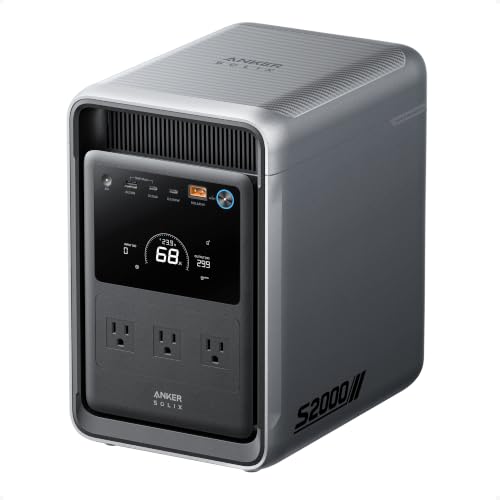
- 2,010Wh LiFePO4 battery
- 1,500W output, 3,000W peak
- 10 ms UPS and 8 outlets
Best For: Higher-capacity home backup with UPS support
Budget Compact Pick
EnginStar 296Wh Portable Solar Generator
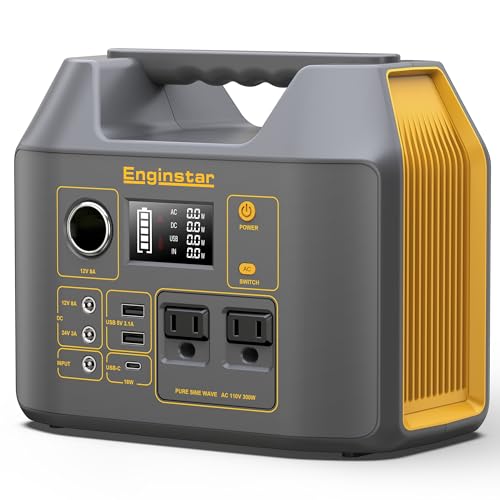
- 296Wh capacity, 300W output
- Only 6.5 lb and very compact
- Pure sine wave with multiple ports
Best For: Light backup and travel-sized power needs
Fast-Charge Value Pick
LIBRIDS Portable Power Station C600

- 640Wh LiFePO4 battery
- 10 ms UPS and 600W output
- Full recharge in 1.5 hours
Best For: Essential-device backup with quick recharge
Ultra-Light Compact Pick
ENOFLO 300W Portable Power Station

- 228Wh capacity, 300W output
- 6.2 lb and highly portable
- Supports up to 9 devices
Best For: Very light emergency power for small electronics
Premium All-Around Backup
Jackery Explorer 1000 v2 Portable Power Station

- 1,070Wh capacity with 1,500W AC output
- 23.8-lb build with foldable handle
- One-hour emergency charging via app
Best For: Portable home backup with enough output for essential appliances
Fast-Charge UPS Pick
BLUETTI Elite 30 V2 Portable Power Station

- 288Wh capacity with 600W output
- 10ms UPS switch for sensitive devices
- 80% charge in 45 minutes
Best For: Fast backup for routers, laptops, and CPAP machines
Ultra-Light Backup Pick
Jackery Explorer 300 Portable Power Station,292Wh

- 7.5-lb portable design with handle
- 292Wh LiFePO4 battery, 4,000+ cycles
- 300W output with 6-device charging
Best For: Light backup power for essentials and travel
Balanced Home-Ready Option
ALLWEI Portable Power Station 300W, 256Wh
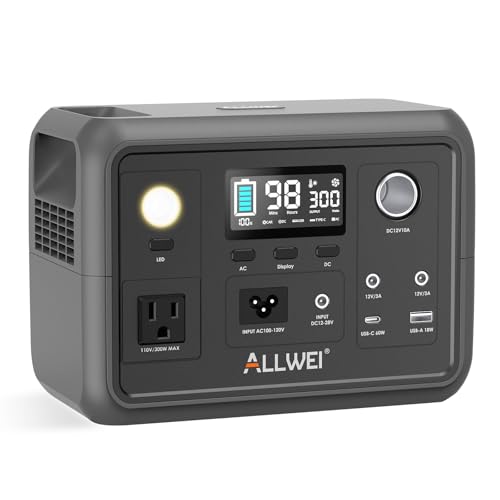
- 256Wh LiFePO4 battery with 300W output
- AC, car, solar, and dual charging options
- 6.4-lb body with LED light and SOS mode
Best For: Flexible backup for essentials, camping, and outages
Smallest Emergency Pick
DaranEner Portable Power Station, 192Wh

- 5.73-lb compact body for easy storage
- 192Wh LiFePO4 battery with 3,500+ cycles
- 300W pure sine wave output, 6-device support
Best For: Minimalist emergency backup for small electronics
Premium Home-Backup Pick – Anker SOLIX S2000 Portable Power Station
If you want a compact power station for home backup that can still cover serious household needs, the Anker SOLIX S2000 is built for that job. Its 2,010Wh LiFePO4 battery, 1,500W continuous output, and UPS support make it a strong fit for keeping key appliances and electronics running during outages.
Best For: Households that want a higher-capacity backup unit with UPS functionality and strong appliance support.
Pros:
- 2,010Wh LiFePO4 battery with a 15-year lifespan and 10,000-cycle rating
- 1,500W continuous output and 3,000W peak output for home essentials
- UPS switchover under 10 ms for home office or router backup
- 30% smaller and 25% lighter than the industry average for 2kWh systems
Cons:
- No 12V DC port
- At 35.7 lbs, it is still more of a carry-and-place unit than a truly tiny backup battery
- Higher-capacity design may be more than some light-duty users need
Overall, this is the strongest home-backup option in the group if you need a compact package with real outage coverage. The extra battery capacity and broad recharge options make it practical for emergencies, but it is best suited to buyers who actually need a larger reserve.
Budget Compact Pick – EnginStar 296Wh Portable Solar Generator
The EnginStar 296Wh is a small, low-cost way to get a compact power station for home backup when your needs are limited to essentials. With a 300W AC output, pure sine wave inverter, and multiple charging ports, it is better suited to small electronics and short-duration backup than to large appliances.
Best For: Light backup use, travel, and keeping phones, laptops, lights, and similar small devices powered.
Pros:
- Very compact at 9 x 5.5 x 7.5 inches and only 6.5 lb
- Pure sine wave AC output for more stable power
- Multiple charging options: wall, solar, and car
- Includes USB-C fast charge and a built-in LED light
Cons:
- 300W output limits it to smaller devices
- Not suited for large-capacity appliances like refrigerators or heaters
- Lower-capacity battery is best for short backup windows
For buyers who want portability first, this is an easy-to-store backup battery for basic home emergencies. It will not replace a larger home backup system, but it does offer a simple and compact safety net for critical low-power devices.
Fast-Charge Value Pick – LIBRIDS Portable Power Station C600
The LIBRIDS C600 lands in a useful middle ground for anyone shopping for a compact power station for home backup. Its 640Wh LiFePO4 battery, 600W output, and built-in 10ms UPS make it practical for routers, CPAP machines, and other essential devices when the power goes out.
Best For: Buyers who want a compact, fast-charging backup unit for essential home electronics.
Pros:
- 640Wh LiFePO4 battery with 4,000+ cycles
- 10ms UPS helps keep critical devices running through outages
- Fast AC charging fills the battery in 1.5 hours
- 4 AC outlets and 8 total ports for multiple devices
Cons:
- 600W continuous output is enough for essentials, not heavy appliances
- Indoor-use warning means it should be kept dry and protected outdoors
- Smaller capacity than larger home-backup units
This model stands out if speed matters, because the fast recharge time helps it stay ready for repeated outages. It is a smart pick for practical home backup as long as your priority is essential loads rather than whole-home coverage.
Ultra-Light Compact Pick – ENOFLO 300W Portable Power Station
If you want the most travel-friendly compact power station for home backup on this list, the ENOFLO 300W is easy to live with. Its 228Wh capacity, pure sine wave AC output, and support for up to nine devices make it a practical choice for phones, lights, laptops, and other small essentials.
Best For: Very light home emergency use, CPAP support, and portable charging for small electronics.
Pros:
- Very light at 6.2 lb and compact at 12 x 7.5 x 8 inches
- Pure sine wave 300W output with 600W surge rating
- Can charge up to 9 devices at once
- Three recharge methods: AC, car, and solar with MPPT
Cons:
- 228Wh capacity is small for extended outage backup
- 300W limit rules out larger appliances
- Best used for low-power devices rather than fridge backup
This is the most portable option here, but it is also the least capable for longer home outages. Choose it if size and simplicity matter more than runtime, and your backup plan centers on small electronics and critical personal devices.
Premium All-Around Backup – Jackery Explorer 1000 v2 Portable Power Station
If you want a compact power station for home backup that can still handle real appliances, the Jackery Explorer 1000 v2 is built for that middle ground. Its 1,070Wh capacity, 1,500W output, and 3,000W surge make it practical for keeping essentials running during outages, while the 23.8-pound body and foldable handle keep it easy to move around the house.
Best For: Households that want a portable backup unit for fridges, small appliances, and emergency charging without moving into a heavy whole-home setup.
Pros:
- 1,500W AC output with 3,000W surge supports multiple appliances, including fridges and electric pots.
- 1,070Wh capacity in a relatively lightweight 23.8-pound design.
- One-hour fast charging option through the Jackery App for emergencies.
- Includes two USB-C ports, USB-A, DC car port, and three pure sine wave AC outlets.
Cons:
- Fastest charging mode requires app-based emergency charging activation.
- Solar charging is limited to Jackery solar panels only.
For buyers who want one unit that can serve both as a backup power source at home and a carryable option for travel, this model offers strong flexibility. The LFP battery and app-controlled charging modes add long-term value, especially if you expect to use it regularly during outages.
Budget Compact Basic Backup – BailiBatt Portable Power Station 300W
The BailiBatt Portable Power Station is a practical compact power station for home backup when you only need to cover smaller essentials. With 266Wh of capacity, a 300W pure sine wave AC outlet, and a 6.5-pound build, it fits easily into an emergency kit, closet, or car trunk for quick access during outages.
Best For: Charging phones, laptops, routers, CPAP units, and other low-wattage devices during short blackouts.
Pros:
- Very lightweight at 6.5 pounds and sized for easy storage.
- 7 output ports let multiple devices charge at once.
- Pure sine wave AC output is suitable for sensitive electronics under 300W.
- Built-in LED light with Bright, Strobe, and SOS modes.
Cons:
- 300W output limits what it can run compared with larger backup stations.
- Single AC outlet may be restrictive for some home backup needs.
This is a sensible pick if your priority is portability and basic emergency coverage rather than powering larger appliances. It offers enough flexibility for small-device backup, but buyers needing broader home support will want a higher-capacity model.
Fast-Charge UPS Pick – BLUETTI Elite 30 V2 Portable Power Station
If you need a compact power station for home backup with fast response during outages, the BLUETTI Elite 30 V2 is a strong small-format choice. It combines 288Wh of capacity, a 600W continuous output, and a 10ms UPS switch, so it is aimed at keeping sensitive devices online when the power cuts out.
Best For: Routers, laptops, CPAP machines, and other sensitive essentials that benefit from quick UPS-style backup.
Pros:
- 10ms UPS switching helps protect devices during sudden blackouts.
- 600W output with 1500W Power Lifting Mode for short higher-draw needs.
- Charges quickly, reaching 80% in 45 minutes and full charge in 70 minutes.
- Lightweight at 9.4 pounds with nine ports available.
Cons:
- 288Wh capacity is modest for extended home backup use.
- Best suited to essentials rather than larger appliances.
For buyers who care more about fast recharge, UPS behavior, and device protection than raw battery size, this BLUETTI makes a lot of sense. It is especially appealing for keeping critical electronics alive through short outages and storm-related interruptions.
Ultra-Light Backup Pick – Jackery Explorer 300 Portable Power Station,292Wh
If you want a compact power station for home backup that is also easy to carry for travel or camping, the Jackery Explorer 300 is built around portability and everyday essentials. Its 292Wh capacity, 300W rated output, and LiFePO4 battery make it a practical fit for light backup use, while the multiple ports cover phones, laptops, cameras, drones, and similar low-wattage gear.
Best For: Users who want a lightweight backup battery for small devices, road trips, and short outages.
Pros:
- Only 7.5 lbs with an integrated handle for easy transport
- LiFePO4 battery is rated for over 4,000 charge cycles
- 2 AC outlets plus USB-C, USB-A, and car port support up to 6 devices
- Can reach 80% on solar in about 2.8 hours with a 100W panel
Cons:
- 300W output limits it to smaller appliances and electronics
- Solar panel is optional and sold separately
This is a good fit if your backup plan centers on charging essentials rather than running power-hungry appliances. The light weight and long-cycle battery make it easy to keep on hand, but the modest output means it works best as a compact support unit rather than a whole-home solution.
Balanced Home-Ready Option – ALLWEI Portable Power Station 300W, 256Wh
The ALLWEI 300W unit is a compact power station for home backup that stays practical for camping, outages, and everyday charging. With 256Wh of capacity, a pure sine wave AC outlet, and support for up to 6 devices, it covers core electronics and small essentials without taking up much space.
Best For: Buyers who want a lightweight backup unit with flexible charging and strong safety features.
Pros:
- 300W continuous output with 600W peak surge and pure sine wave power
- LiFePO4 battery is rated for 3,000 cycles and includes 6-layer BMS protection
- Multiple recharge methods, including AC, car, solar, and dual charging
- Very portable at 6.4 lbs with built-in LED light and SOS mode
Cons:
- 256Wh capacity is better for essentials than extended backup
- Solar panel is sold separately
For shoppers comparing compact backup batteries, this model stands out for its combination of portability, protection, and charging flexibility. It is a sensible pick when you want dependable emergency power for smaller electronics and short outages.
Smallest Emergency Pick – DaranEner Portable Power Station, 192Wh
If your priority is a compact power station for home backup that is easy to store and simple to move, the DaranEner 192Wh model focuses on essentials. It delivers 300W output with a pure sine wave, includes two AC outlets and multiple USB ports, and is small enough to keep ready for outages, travel, or camping.
Best For: People who want a lightweight emergency power source for phones, lights, laptops, and other low-wattage devices.
Pros:
- Very light at 5.73 lbs and compact enough to store easily
- LiFePO4 battery with 3,500+ cycles and BMS protection
- 2 AC outlets plus USB-C, USB-A, and DC output for up to 6 devices
- Built-in LED flashlight with SOS mode for outages
Cons:
- 192Wh capacity is the smallest of the three options here
- Not suitable for high-power appliances or large startup loads
- Solar panels and car charging cables are not included
This is the most compact option in the group, so it makes the most sense when space, weight, and quick emergency access matter most. It is best viewed as an essentials-first backup unit rather than a broader home power solution.
How We Picked the Best Compact Power Station for Home Backup
We prioritized capacity, output wattage, battery type, recharge speed, UPS or pass-through support, and port selection. For a Compact Power Station for Home Backup, portability matters, but so does the ability to power real household essentials without constant overload warnings.
We also favored LiFePO4 models where available, since they typically offer longer cycle life and better long-term value. Fast charging and clear outlet layouts were additional bonuses for everyday readiness.
Quick Comparison
Think of the lineup in three buckets: smaller units for charging phones, routers, and LED lights; mid-size models for CPAP machines and short backup sessions; and larger 1,000Wh-class stations for extended outage support or higher-draw appliances. Higher wattage helps with appliance compatibility, while higher watt-hours determine how long the power lasts.
Key Buying Factors for a Compact Power Station for Home Backup
Capacity Vs. Runtime
Watt-hours tell you how much energy is stored. If you only need to cover communication, lighting, and internet, a smaller unit may be enough. If you want longer runtime for a fridge, medical device, or multiple electronics, step up to a larger battery.
Output and Surge Handling
Check both continuous wattage and peak surge capability. A station may look powerful on paper but still struggle with startup loads from appliances. Pure sine wave AC output is especially important for sensitive electronics.
Charging Speed and Refill Options
Fast wall charging can be a major advantage before a storm. Solar input adds resilience during longer outages, while USB-C PD and multiple AC outlets make daily use easier.
UPS and Battery Chemistry
If you want backup for a modem, router, or desktop setup, UPS or pass-through functionality is worth considering. LiFePO4 batteries are generally the better long-term choice for frequent use because they tend to last longer and handle repeated charging well.
Who Should Buy Which Compact Power Station for Home Backup?
Buy a smaller unit if you mainly need emergency phone charging, lights, and router backup. Choose a mid-size option if you want a better balance of portability and practical home coverage, especially for CPAP use or short outage protection. Go larger if you want the most flexible Compact Power Station for Home Backup and plan to run multiple devices or a refrigerator for longer periods.
If you expect frequent outages, prioritize fast recharge, UPS support, and LiFePO4 chemistry. If your backup use is occasional, a lighter and more affordable model may be the smarter fit.