If you want backup power without a bulky standby system, a compact inverter generator can keep the essentials running with cleaner, quieter electricity.
Below, we focus on models that balance portability, outlet options, runtime, and home-use practicality so you can choose with confidence.
Best 10 Compact Inverter Generator for Home Backup Picks for 2026
Home-Backup Value Pick
MaXpeedingrods 3500W Compact Inverter Generator
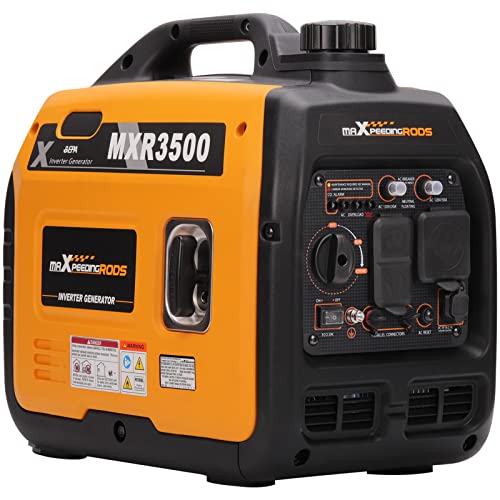
- 3,500 peak / 3,000 running watts
- 58 dB Eco-mode operation
- Pure sine wave power with RV and USB outlets
Best For: Small-home backup and portable emergency power
Long-Run Quiet Pick
PowerSmart 3600W Portable Inverter Generator

- 3,600 peak / 3,200 rated watts
- Up to 8 hours runtime at 25% load
- 59 dBA quiet operation with clean power
Best For: Quiet backup power with longer runtime
Ultra-Light Emergency Pick
Oxseryn 2800W Portable Inverter Generator

- 40 lb compact build with handle
- Up to 9 hours runtime at 25% load
- Under 58 dBA with clean power output
Best For: Lightweight backup for basic home essentials
Most Powerful Compact Pick
Champion 4000W RV Ready Inverter Generator

- 4,000 starting / 3,000 running watts
- Under 49 lb for easier portability
- CO Shield with clean power and RV-ready outlet
Best For: Higher-output backup in a still-manageable size
Best Value Backup Pick
AMERISUN 4500W Open Frame Inverter Generator

- 4500 peak watts / 3800 running watts
- Built-in CO alert and Eco Mode
- 30A RV outlet and parallel-ready
Best For: Home backup buyers who want extra capacity and RV-friendly features
Ultra-Light Essentials Pick
Champion 2500W Ultralight Inverter Generator

- Only 39.7 lb for easy carrying
- 53 dBA quiet operation with clean power
- Parallel-ready for added output
Best For: Small backup loads and buyers who prioritize portability
Quiet High-Output Pick
ERAYAK 4500W Portable Inverter Generator

- 3500 running watts for stronger backup use
- 60.5 dB(A) quiet operation
- Low THD plus USB and RV outlets
Best For: Homeowners who want quiet, versatile backup power with more capacity
Home-Backup Pick
Generac 3,300W Portable Inverter Generator

- 2,500 running watts; 3,300 starting watts
- Less than 3% THD for sensitive electronics
- 59.5-pound design with Economy Mode
Best For: Essential home backup and portable everyday use
Budget Quiet Pick
ERAYAK 2400W Portable Inverter Generator

- 1,800 running watts with clean inverter power
- 52.5 dB quiet operation at 25% load
- Only 42 lbs with Eco Mode efficiency
Best For: Light backup power and quiet portable use
Higher-Capacity Value Pick
Oxseryn 4400W Inverter Generator

- 3,400 running watts and 4,400 starting watts
- Up to 14 hours at 25% load with ECO mode
- 56 lbs with AC, DC, and RV outlets
Best For: Longer home outages and higher-demand essentials
Home-Backup Value Pick – MaXpeedingrods 3500W Compact Inverter Generator
If you want a compact inverter generator for home backup that can also travel well, the MaXpeedingrods MXR3500 offers a practical mix of power and portability. With 3,500 peak watts, clean pure sine wave output, and a 47 lb build, it is sized for small-home essentials, RV use, and outage prep without taking up much space.
Best For: Households that want a lightweight backup generator with enough output for essential appliances and sensitive electronics.
Pros:
- 3,500 peak watts and 3,000 running watts for small-house backup needs
- Quiet 58 dB operation in Eco mode at 23 feet
- Pure sine wave inverter power for phones, laptops, cameras, and other electronics
- Includes RV outlet, household outlets, USB ports, and parallel cables
Cons:
- Not as much output as larger 4,000-watt-class options
- Heavier than some ultralight compact models at 47 lb
- Runtime varies a lot with load, dropping at higher demand
Overall, this is a well-rounded choice if you want affordable, portable backup power with the features most people actually use during outages. The combination of clean power, included accessories, and a 2-year warranty makes it especially appealing for practical emergency preparedness.
Long-Run Quiet Pick – PowerSmart 3600W Portable Inverter Generator
The PowerSmart 3600W is a strong compact inverter generator for home backup if you want a balance of output, runtime, and quiet operation. It delivers 3,600 peak watts and 3,200 rated watts, with clean power and a digital display that makes it easy to monitor during outages or weekend use.
Best For: Buyers who want a quiet, long-running generator for essential home loads and occasional camping.
Pros:
- 3,600 peak watts and 3,200 rated watts with THD under 3%
- Runs up to 8 hours at 25% load from the 1.3-gallon tank
- Quiet 59 dBA from 23 feet at 25% load
- Includes 30A outlet, household duplex, USB ports, and a digital display
Cons:
- Parallel kit is not included
- 30A twist-lock outlet may require an RV adapter for hookup
- At about 50.7 lb, it is not the lightest in this group
This model stands out for users who value runtime and simple, clean output over absolute minimum weight. If your priority is dependable backup power that stays reasonably quiet, it fits the job well.
Ultra-Light Emergency Pick – Oxseryn 2800W Portable Inverter Generator
For shoppers looking for a compact inverter generator for home backup with easy portability, the Oxseryn 2800W keeps things simple and lightweight. At 40 lb with a built-in handle, it is easy to move, while still offering clean power, Eco mode, and a 9-hour runtime at 25% load.
Best For: Anyone who wants a lighter, quieter emergency backup generator for basic home essentials and portable use.
Pros:
- 40 lb compact design with built-in handle
- Up to 9 hours of runtime at 25% load from the 1.1-gallon tank
- Less than 3% THD for sensitive devices like phones and laptops
- Quiet operation under 58 dBA from 23 feet
Cons:
- 2,800 peak watts and 2,000 running watts is the lowest output here
- High-altitude kit is not included for use above 4,000 feet
- Fuel tank is smaller than some competing models
This is a sensible pick if portability matters most and your backup plan focuses on smaller essentials. It gives you clean, quiet power in a package that is easier to carry than many similar generators.
Most Powerful Compact Pick – Champion 4000W RV Ready Inverter Generator
The Champion 4000W is a smart compact inverter generator for home backup when you want more headroom without moving to a full-size unit. It combines 4,000 starting watts, 3,000 running watts, clean electricity, and a sub-49-pound frame that makes it one of the lighter generators in the 4,000-watt class.
Best For: Shoppers who want a lighter 4,000-watt inverter for backup essentials and RV-ready output.
Pros:
- 4,000 starting watts and 3,000 running watts for more backup capacity
- Less than 49 pounds, making it highly portable for its class
- CO Shield carbon monoxide auto shutoff system
- Clean power under 3% THD plus RV-ready and household outlets
Cons:
- Parallel kit is optional and not included
- Some buyers may need an adapter depending on their RV hookup
- Heavier than the smallest compact inverter generators
If you want the strongest output in this roundup while still keeping a manageable size, this Champion is a compelling option. Its mix of portability, safety features, and 3-year warranty makes it a practical home-backup upgrade.
Best Value Backup Pick – AMERISUN 4500W Open Frame Inverter Generator
If you want a compact inverter generator for home backup that can also pull double duty for camping or RV use, this AMERISUN model offers a practical middle ground. It delivers 4500 peak watts and 3800 running watts, includes a CO alert, and adds an Eco Mode to help stretch fuel during outages.
Best For: Homeowners who want a portable backup generator with RV-ready features and a safer CO alert system.
Pros:
- 4500 peak watts and 3800 running watts for essentials like refrigerators, sump pumps, and power tools
- Built-in CO alert adds an important safety layer for emergency use
- Parallel-ready design lets you expand output with a compatible second unit
- Eco Mode can extend runtime up to 6.5 hours at 50% load
Cons:
- Parallel kit is sold separately
- Open-frame design is less enclosed than some premium inverter models
- Heavier than ultra-compact 2500-watt units at 68 lb
This is a solid pick if you need more than a basic portable inverter but still want manageable size and useful backup-oriented features. The RV outlet, digital display, and CO alert make it especially versatile for outage preparedness.
Ultra-Light Essentials Pick – Champion 2500W Ultralight Inverter Generator
For shoppers comparing a compact inverter generator for home backup, this Champion stands out for portability and clean power rather than raw output. At 39.7 lb, it is easy to move, while 1850 running watts and quiet operation make it suitable for a few critical household essentials during an outage.
Best For: Light backup needs, camping, and anyone who wants the easiest generator to carry and store.
Pros:
- Very lightweight at 39.7 lb for easy transport
- 53 dBA quiet operation from 23 feet
- Clean power with less than 3% THD for sensitive electronics
- Parallel-ready with another compatible Champion unit for more output
Cons:
- Lower running output at 1850 watts limits what it can power
- Best suited to a few essentials rather than larger home backup loads
- Parallel kit is optional and not included
If portability matters most, this is one of the easiest inverter generators to live with. It is a strong fit for smaller backup jobs where quiet operation, clean electricity, and simple handling matter more than high wattage.
Quiet High-Output Pick – ERAYAK 4500W Portable Inverter Generator
If you need a compact inverter generator for home backup with a stronger running output, the ERAYAK 4500P is built around practical power and efficiency. It provides 4500 peak watts and 3500 running watts, runs at 60.5 dB(A), and includes Eco Mode plus low-THD output for sensitive electronics.
Best For: Home backup users who want higher running power, quiet operation, and multiple outlet options.
Pros:
- 3500 running watts gives more usable backup power than smaller ultralight units
- 60.5 dB(A) operation is quiet enough for residential settings
- Low THD output is safe for laptops, TVs, and medical devices
- Multiple outlets include RV, AC, USB-A, USB-C, and 12V charging
Cons:
- Parallel kit is sold separately
- At 54 lb, it is still portable but not as light as the Champion option
- Single listed total power outlet count is limited in the specs
This model makes sense if you want a balanced home-backup generator with more output and broader connectivity. The combination of quiet performance, clean power, and efficient fuel use gives it strong everyday utility.
Home-Backup Pick – Generac 3,300W Portable Inverter Generator
If you want a compact inverter generator for home backup that can handle everyday essentials without taking up much space, the Generac GP3300i is a practical middle-ground option. It offers 2,500 running watts, clean stable power for sensitive electronics, and a lightweight build that’s easier to move than many home-backup generators in this size range.
Best For: Running a fridge, lights, a TV, and charging devices during short outages.
Pros:
- TruePower technology delivers less than 3% total harmonic distortion for sensitive electronics.
- PowerRush technology boosts starting capacity to help with appliance surge loads.
- Economy Mode can reduce fuel use and noise during lighter loads.
- At 59.5 pounds, it’s portable enough for home, camping, or RV use.
Cons:
- 2,500 running watts may be limiting for larger home circuits.
- Parallel capability requires a sold-separately kit.
- Fuel tank runtime is solid, but not the longest in this group.
For buyers prioritizing clean output, manageable weight, and a dependable backup role, this Generac is a strong fit. It’s best suited to essentials-focused outage coverage rather than whole-home demands.
Budget Quiet Pick – ERAYAK 2400W Portable Inverter Generator
The ERAYAK 2400P is a compact inverter generator for home backup when you want a smaller, quieter unit for basics and device charging. With 1,800 running watts, low THD, and a very lightweight frame, it’s geared toward straightforward emergency power, camping, and light residential use.
Best For: Charging devices and powering lighter essentials during brief outages.
Pros:
- Very quiet operation at 52.5 dB at 7 meters and 25% load.
- Low THD and inverter output make it safe for sensitive electronics.
- Weighs only 42 pounds for easier transport and storage.
- Eco Mode helps improve fuel efficiency and reduce noise.
Cons:
- 1,800 running watts is best for smaller loads, not heavier appliances.
- Fuel tank is modest at 0.95 gallons.
- Parallel setup details aren’t included in the supplied notes.
If your backup plan is focused on quiet operation and portable convenience, this ERAYAK is easy to justify. It makes the most sense for light-duty home emergency use rather than higher-demand backup needs.
Higher-Capacity Value Pick – Oxseryn 4400W Inverter Generator
The Oxseryn 4400W is a compact inverter generator for home backup if you need more output than a small portable model can provide. With 3,400 running watts, multiple outlet types, and ECO mode runtime up to 14 hours at 25% load, it’s built for longer outages and heavier essential loads.
Best For: Home outage coverage where you need more wattage for appliances and RV-style power options.
Pros:
- 3,400 running watts gives it more headroom for home backup use.
- Includes 120V AC, 12V DC, and RV outlet options.
- ECO mode supports up to 14 hours of runtime at 25% load.
- 56-pound weight keeps it relatively portable for its output level.
Cons:
- Open-frame design may not feel as enclosed as smaller inverter units.
- Noise is listed under 72 dBA, which is not the quietest in this set.
- Only 2 AC ports are included.
For buyers who want more usable wattage without jumping to a much larger backup setup, this Oxseryn stands out. It’s a solid pick when capacity and runtime matter more than ultra-quiet operation.
How We Picked the Best Compact Inverter Generator for Home Backup
For a Compact Inverter Generator for Home Backup, we prioritized inverter output quality, wattage suited to essentials, noise levels, fuel efficiency, portability, and useful home-ready outlets such as 30A or RV-style connections. We also favored models with safety features like low-oil shutdown, CO detection, and eco modes.
Quick Comparison
Smaller 2,400 to 2,800-watt units are best for lights, routers, phones, and a refrigerator in a pinch. Midrange 3,300 to 4,000-watt options add more flexibility for sump pumps, smaller appliances, or longer outage coverage. Higher-output 4,400 to 4,500-watt models are better if you want more headroom, though they may be a bit larger and louder.
Key Buying Factors for Compact Inverter Generator for Home Backup
Running Watts Vs. Starting Watts
Focus on running watts first, then check starting watts for motor-driven appliances. Refrigerators, pumps, and microwaves can need a short surge, so extra capacity matters.
Noise and Placement
Quieter units are easier to live with during an outage, especially if you need to run them near a home, garage, or neighbor boundary. Look for published dBA ratings, but remember real-world noise also depends on load and placement.
Runtime and Fuel Use
Longer runtime helps during overnight outages and reduces refueling trips. Eco-mode can improve efficiency when demand is light, which is useful for keeping basic devices powered for hours.
Outlets and Power Quality
For home backup, clean stable inverter power is important for electronics, Wi-Fi gear, and modern appliances. A 30A outlet, USB ports, or parallel-ready capability can add flexibility if you want to expand later.
Weight and Portability
If you will move the generator in and out of storage, weight and handle design matter more than peak wattage. A lighter unit is easier to manage, while larger models may be better suited to stationary emergency use.
Who Should Buy Which Compact Inverter Generator for Home Backup?
Choose a smaller model if you mainly need lights, communications, and a refrigerator backup. Step up to a midrange generator if you want a stronger all-around emergency solution for a typical household. Pick a higher-output option if you expect to power more than the basics, want better surge capacity, or plan to use the generator for both home backup and occasional outdoor needs.
For the best results, match the generator to your most important loads instead of buying by wattage alone. That approach gives you a quieter, more efficient backup setup that is easier to store, start, and maintain.