Choosing the right tool can make rough lumber, stubborn edges, and uneven doors much easier to handle. The best handheld wood planers help you remove material cleanly, save time, and improve the final fit.
In this roundup, we focused on practical performance, comfort, blade size, and value so you can find the right option for your workshop or DIY project.
Best 10 Handheld Wood Planers Picks for 2026
Compact Corded Starter Pick
WEN 6530 6-Amp 3-1/4-Inch Hand Planer
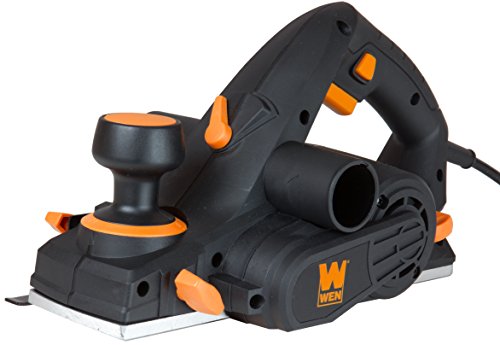
- 6-amp motor with up to 34,000 cuts per minute.
- 16 depth stops from 0 to 1/8 inch.
- Lightweight 6-pound design with rabbet capability.
Best For: DIY users needing a lightweight corded planer for basic trimming and small rabbets.
Heavy-Duty Precision Option
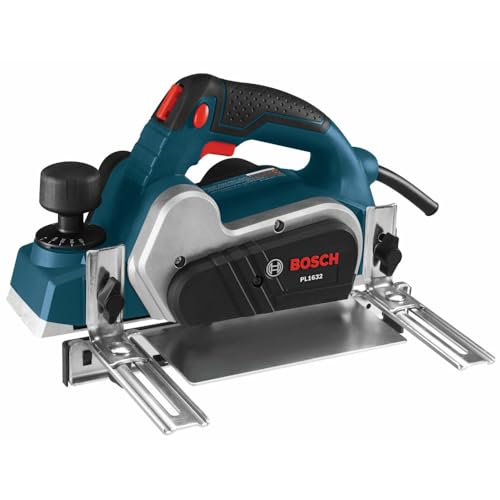
- 6.5-amp motor with 16,500 RPM for fast removal.
- Ratcheting depth knob adjusts from 0 to 1/16 inch.
- Dual-mount guide fence and machined shoes improve consistency.
Best For: Woodworkers wanting a durable corded planer with precise depth control.
Budget Bench Smoother
Amazon Basics No.4 Smoothing Hand Plane
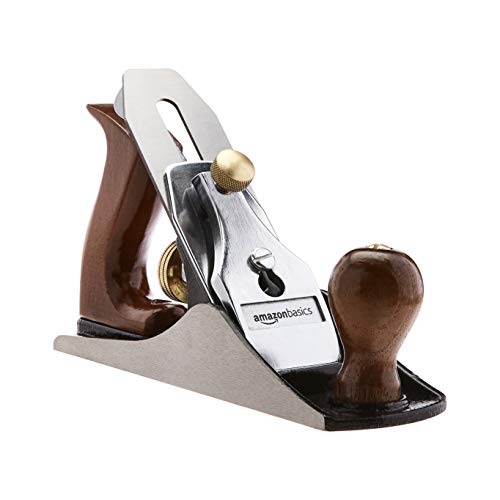
- Cast iron body adds stability and strength.
- Steel alloy blade with adjustable gear for precise cuts.
- Wooden handle gives a contoured grip for control.
Best For: Budget-conscious woodworkers needing a basic smoothing plane for finishing work.
Cordless Power Upgrade
DEWALT 20V MAX Brushless Planer

- Brushless motor with 30,000 cuts per minute.
- Calibrated depth knob adjusts to about 1/256 inch.
- Bare tool cordless design with kickstand and guide fence.
Best For: Users wanting a cordless planer with strong speed and fine depth control.
Budget-Friendly Electric Hand Planer
WEN 6528 3.8-Amp Electric Hand Planer

- 3.8-amp motor with up to 32,000 cuts per minute
- 9 depth stops from 0 to 1/16 inch
- Lightweight 4.3-pound body with kickstand and wrench storage
Best For: DIYers who want a compact electric planer for small woodworking jobs
Portable Detail Block Plane
JORGENSEN NO.60-1/2 Wood Planer

- O1 tool steel blade can be sharpened and reused
- Ductile iron body built for rugged use
- Adjustable depth and mouth for detail control
Best For: Detail-oriented woodworking, trimming, and small craft projects
High-Capacity Electric Hand Planer
WEN 6534 8-Amp Electric Hand Planer
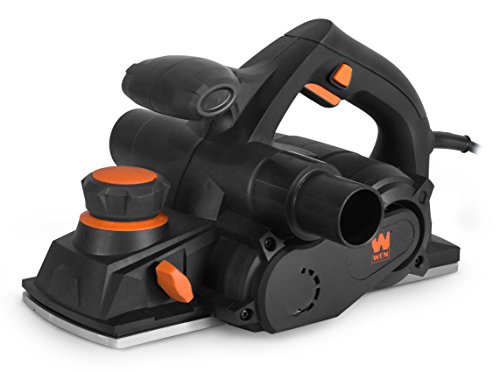
- 8-amp motor with up to 32,000 cuts per minute
- 4-3/8-inch width for 2x4s and 4x4s
- Includes dust adapter, fence, rabbeting guide, and kickstand
Best For: Wider boards and heavier planing jobs
Workshop Classic
Amazon Basics No.4 Adjustable Bench Plane

- 2-inch steel blade for smoothing cuts
- Adjustable mouth and depth gauge
- Cast-iron body reduces vibration
Best For: DIYers and woodworkers needing a durable general-purpose bench plane
Pro Shop Pick

- O1 tool steel blade for efficient planing
- Ductile iron body for rugged use
- Beech handle and flat bottom for control
Best For: Woodworkers needing a durable No.4 plane for shop tasks
Budget Trim Tool
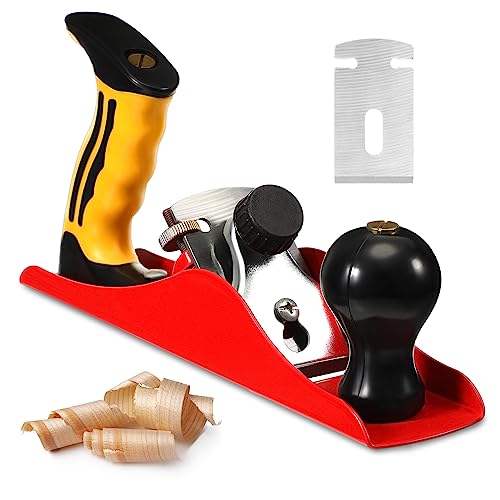
- Manganese steel blade for wear resistance
- Lightweight 1.4 lb body
- Simple depth adjustment and flat sole
Best For: Budget users needing an easy hand planer for trim work
Compact Corded Starter Pick – WEN 6530 6-Amp 3-1/4-Inch Hand Planer
If you want handheld wood planers for routine trimming, the WEN 6530 gives you a simple corded setup with a 6-amp motor and a 3-1/4-inch cutting width. It is built for practical stock removal, light rabbeting, and easy handling, making it a straightforward option for general woodworking tasks.
Best For: DIY users who want a lightweight corded planer for basic flattening, edge cleanup, and small rabbets.
Pros:
- 6-amp motor delivers up to 34,000 cuts per minute.
- 16 positive stops let you set cutting depth from 0 to 1/8 inch.
- Can make rabbets up to 1 inch with the included guide.
- Lightweight design weighs about 6 pounds for easier control.
Cons:
- Corded design limits mobility compared with battery-powered planers.
- Cutting depth tops out at 1/8 inch, so it is not built for heavy passes.
Overall, the WEN 6530 is a practical budget-minded choice if you need a lightweight planer for standard shop or home projects. Its simple controls and included accessories make it easy to use without a steep learning curve.
Heavy-Duty Precision Option – Bosch PL1632 3-1/4 In. Planer
Among handheld wood planers, the Bosch PL1632 stands out for users who want a more precision-focused corded tool. Its 6.5-amp motor, ratcheting depth knob, and machined shoes are aimed at fast stock removal while keeping cuts consistent and controlled.
Best For: Woodworkers who want a durable corded planer with fine depth control and a guide fence for consistent results.
Pros:
- 6.5-amp motor produces 16,500 RPM for fast, smooth planing.
- Ratcheting depth knob sets increments from 0 to 1/16 inch.
- Dual-mount guide fence supports consistent planing on either side.
- Aluminum front and rear shoes are machined together for accuracy.
Cons:
- Corded design may be less convenient for mobile work.
- Limited 1-year warranty is shorter than some competing tools.
The PL1632 is a solid fit if accuracy matters more than portability. Its depth controls, guide fence, and blade system make it a practical pick for cleaner, repeatable results on woodworking projects.
Budget Bench Smoother – Amazon Basics No.4 Smoothing Hand Plane
If your search for handheld wood planers is really about smoothing and refining by hand, this Amazon Basics No. 4 bench plane keeps things simple. It uses a cast iron body, a steel alloy blade, and a wooden-handle layout aimed at steady control for woodworking and carpentry projects.
Best For: Budget-conscious woodworkers who want a basic smoothing plane for hand-finishing tasks.
Pros:
- Cast iron body adds stability and strength.
- Impact-resistant wood handle offers a contoured grip.
- Durable steel alloy blade is built for quality cuts.
- Adjustable gear helps you make precise results.
Cons:
- Hand plane design is slower than electric handheld planers for stock removal.
- 2-inch blade is narrower than powered planer cutting widths.
This is a straightforward smoothing plane for users who value manual control over speed. It works best as a finishing tool or for smaller woodworking corrections rather than aggressive material removal.
Cordless Power Upgrade – DEWALT 20V MAX Brushless Planer
For users comparing handheld wood planers, the DEWALT 20V MAX planer is the cordless choice here, and it is designed for fast removal with a brushless motor. With 30,000 cuts per minute, a calibrated depth knob, and precision-machined aluminum shoes, it targets smoother, repeatable work on the jobsite or in the shop.
Best For: Users who want a cordless planer with strong cutting speed and fine depth adjustment.
Pros:
- Brushless motor helps provide power and runtime.
- 30,000 cuts per minute support fast material removal.
- Calibrated depth knob adjusts to about 1/256 inch.
- Kickstand helps prevent gouging when resting the tool.
Cons:
- Bare tool only, so battery and charger are not included.
- Maximum depth of cut is 2 mm, which limits heavy passes.
The DEWALT DCP580B is the most portable option in this group and brings useful detail features for consistent planing. If you already own compatible batteries, it is a strong upgrade for cordless convenience and control.
Budget-Friendly Electric Hand Planer – WEN 6528 3.8-Amp Electric Hand Planer
If you want handheld wood planers for light smoothing, trim work, and quick material removal, the WEN 6528 is a compact electric option that keeps the job simple. Its 3.8-amp motor reaches up to 32,000 cuts per minute, and the 2-3/8-inch width makes it a practical fit for smaller boards and general shop tasks.
Best For: DIYers and budget-minded users who want an easy-to-carry electric planer for small woodworking projects.
Pros:
- 3.8-amp motor delivers up to 32,000 cuts per minute
- 9 positive stops let you adjust depth from 0 to 1/16 inch
- Lightweight 4.3-pound design is easy to handle
- Onboard wrench storage and kickstand add convenience
Cons:
- 2-3/8-inch cutting width is better for smaller work than large boards
- Maximum cutting depth is limited to 1/16 inch
For basic planing tasks, this model focuses on portability and straightforward adjustment rather than maximum capacity. It is a sensible pick if you want a lightweight electric planer with helpful features and a two-year warranty.
Portable Detail Block Plane – JORGENSEN NO.60-1/2 Wood Planer
Among handheld wood planers, the JORGENSEN NO.60-1/2 is built for precision tasks like trimming, polishing, deburring, and other detail work. It uses an O1 tool steel blade, a ductile iron body, and an adjustable cutting depth, giving you a manual planer that feels geared toward careful woodworking and small craft projects.
Best For: Woodworkers and hobbyists who need a compact manual plane for detail trimming and finishing work.
Pros:
- O1 tool steel blade is designed for efficient cutting and can be resharpened
- Ductile iron body is built for rugged, heavy-duty use
- Adjustable cutting depth and adjustable mouth add control
- Small, portable format suits DIY and craft tasks
Cons:
- Manual design requires more effort than electric planers
- 1.38-inch cutting width is narrow for larger surfaces
This is a practical pick if you want a compact hand plane for fine work rather than fast stock removal. The flat bottom and included instruction manual also make it approachable for beginners.
High-Capacity Electric Hand Planer – WEN 6534 8-Amp Electric Hand Planer
If you need handheld wood planers for wider boards and bigger material removal jobs, the WEN 6534 stands out with a stronger 8-amp motor and a 4-3/8-inch cutting capacity. It is set up for practical jobsite use, with 16 depth stops, a two-way dust port, and included accessories that help it handle common planing tasks efficiently.
Best For: Users who want a wider electric planer for 2x4s, 4x4s, and more demanding woodworking tasks.
Pros:
- 8-amp motor reaches up to 32,000 cuts per minute
- 4-3/8-inch cutting width handles larger lumber
- 16 depth stops adjust cutting depth from 0 to 1/8 inch
- Includes dust adapter, fence bracket, rabbeting guide, and kickstand
Cons:
- At 9.5 pounds, it is heavier than lighter compact planers
- Bulkier size may be less convenient for tight spaces
Compared with smaller models, this planer is better suited to broader surfaces and more aggressive material removal. If capacity matters most, it offers a useful mix of width, power, and included accessories.
Workshop Classic – Amazon Basics No.4 Adjustable Bench Plane
This handheld wood planer is a straightforward choice for smoothing, trimming, and finishing wood surfaces. The 2-inch steel blade, adjustable mouth, and depth gauge make it easy to tune for cleaner cuts, while the cast-iron body helps reduce vibration during use.
Best For: DIYers and woodworkers who want a durable, adjustable bench plane for general smoothing and finishing work.
Pros:
- 2-inch high-quality steel blade for precision planing
- Adjustable mouth and depth gauge for more control
- Heavy-duty cast-iron construction for stability
- Front and rear handles improve comfort and grip
Cons:
- Manual adjustment may take some setup time
- Heavier cast-iron build may feel bulky for some users
For general workshop use, this model focuses on stability, control, and value rather than extra complexity. It fits well for common tasks like edge cleanup, door trimming, and furniture finishing.
Pro Shop Pick – JORGENSEN No.4 10" Wood Plane
This handheld wood planer is built for heavier woodworking tasks that call for efficient material removal and a smooth finish. Its O1 tool steel blade, ductile iron body, and flat bottom are aimed at steady performance, while the adjustable depth setup helps you tailor cuts to the job.
Best For: Woodworkers who want a rugged No.4 plane for trimming, polishing, deburring, and surface prep.
Pros:
- O1 tool steel blade designed for efficient cutting and long service life
- Ductile iron body supports heavy-duty use
- Adjustable depth knob makes it easy to set the cut
- Beech wood handle offers a comfortable grip
Cons:
- Heavier build may not suit quick one-handed jobs
- More of a workshop tool than a compact carry-around planer
Overall, this plane leans toward durability and stronger performance in a traditional bench-plane format. It makes sense if you want a capable tool for repeated shop use and more aggressive woodworking tasks.
Budget Trim Tool – 2-Inch Adjustable Hand Planer
This handheld wood planer is a practical option for everyday trimming and door installation work. It uses a 2-inch manganese steel blade, a flat sole for smoother movement, and an adjustable depth design that keeps setup simple for beginners and experienced users alike.
Best For: Budget-minded users who need a simple hand planer for trimming, smoothing, and door-related woodworking.
Pros:
- Manganese steel blade is hardened for wear resistance
- Simple depth adjustment and easy blade fixing
- Carbon steel body with epoxy coating adds strength and rust resistance
- Lightweight 1.4 lb design is easy to handle
Cons:
- Smaller 2-inch blade limits cutting width
- Best suited to light-to-moderate woodworking tasks
This model is geared toward straightforward utility rather than premium construction. If you want an accessible handheld planer for routine trim work, it covers the basics without extra complications.
How We Picked Handheld Wood Planers
We looked for models that balance cutting performance, ease of adjustment, and everyday usability. For powered options, that means motor strength, cutting width, depth control, and handling. For manual planes, blade quality, body stability, and adjustment precision mattered most.
We also considered whether a tool is better suited to fast stock removal, fine smoothing, or fit-and-finish work. That distinction matters because Handheld Wood Planers are not one-size-fits-all.
Quick Comparison
Electric planers are usually the best choice when you need speed, repeat passes, or frequent material removal. Manual bench planes are better for quiet control, surface refinement, and smaller tasks like edge tuning or final smoothing.
If you want one tool for heavy-duty cleanup, look toward wider electric models. If you want finesse and low-cost simplicity, a No. 4-style bench plane is often the smarter buy.
Key Buying Factors for Handheld Wood Planers
Cutting Width and Depth
A wider cut saves time on broad boards, while a smaller planer is easier to control on trim, doors, and tight spots. Depth adjustment should feel predictable and easy to repeat.
Power Source
Corded electric planers offer consistent runtime and strong output. Cordless options add mobility, which is useful on job sites. Manual planes never need charging and excel in quiet, controlled work.
Blade and Base Quality
Sharp, durable blades and a flat, stable sole are essential for clean results. Poor machining shows up fast as chatter, uneven cuts, or extra sanding.
Comfort and Control
Look for a secure grip, balanced weight, and easy adjustments. These details matter most when you are working on long boards or making repeated passes.
Who Should Buy Which Handheld Wood Planers?
If you are a DIYer working on doors, shelving, or framing cleanup, a mid-size electric planer is usually the most practical option. If you want the finest finish for cabinetry, furniture, or edge tuning, a manual bench plane may be the better fit.
For users who need flexibility, Handheld Wood Planers in both electric and manual styles can complement each other well: one for fast removal, the other for final refinement. Choose based on the job, not just the tool count.