If you need one tool that can cut through old fasteners, trim pipe, demo wood, and handle awkward repair jobs, a reciprocating saw is hard to beat.
This roundup of the best reciprocating saws for home mechanics focuses on real-world usability, not just raw specs, so you can pick the right balance of power, control, and convenience.
Best 10 Reciprocating Saws for Home Mechanics Picks for 2026
Compact One-Handed Pick
DEWALT ATOMIC 20V MAX Reciprocating Saw

- Compact 12.5-inch one-handed design
- Brushless motor with variable-speed control
- LED light and tool-free blade changes
Best For: home mechanics needing a lightweight cordless saw for tight spaces
High-Power One-Handed Pick
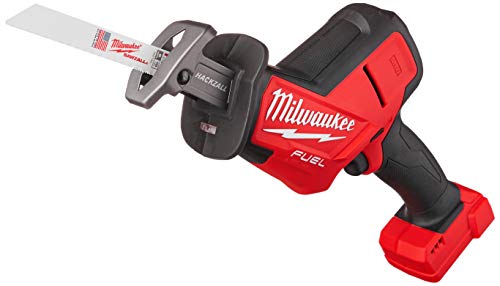
- POWERSTATE brushless motor for tougher cuts
- 7/8-inch stroke length for faster material removal
- REDLINK Plus Intelligence with pivoting shoe
Best For: home mechanics needing more power in a one-handed cordless saw
Heavy-Duty Corded Pick
DEWALT 12 Amp Reciprocating Saw

- 12 amp motor for heavy-duty cutting
- 4-position blade clamp for flush cuts
- 1-1/8-inch stroke and variable speed
Best For: home mechanics wanting steady corded power for garage work
Budget Cordless Kit Pick
BLACK+DECKER 20V MAX Reciprocating Saw Kit

- Battery and charger included in the kit
- Tool-free blade changes and pivoting shoe
- Variable-speed trigger for basic control
Best For: home mechanics looking for an affordable ready-to-use cordless kit
Budget-Friendly Corded Power
SKIL 13 Amp Buzzkill Recip Saw
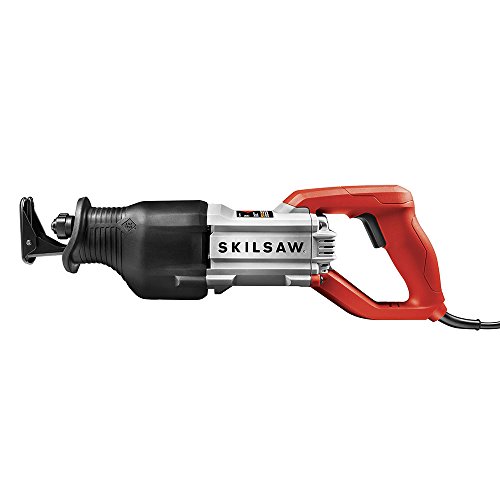
- 13 amp corded motor for demanding cuts
- BUZZKILL Technology reduces vibration
- Tool-less blade clamp and variable speed trigger
Best For: Home mechanics who want a strong corded saw for regular garage and demolition work
Compact Cordless Performer
DEWALT 20V MAX XR Compact Recip Saw

- Compact 14.5-inch body fits tight spaces
- Lightweight 5 lb. tool-only design
- Brushless motor, LED light, and 4-position blade clamp
Best For: Home mechanics who want a lightweight cordless saw for tight-access and portable work
Simple Corded Value
SKIL 7.5-Amp Variable Speed Recip Saw
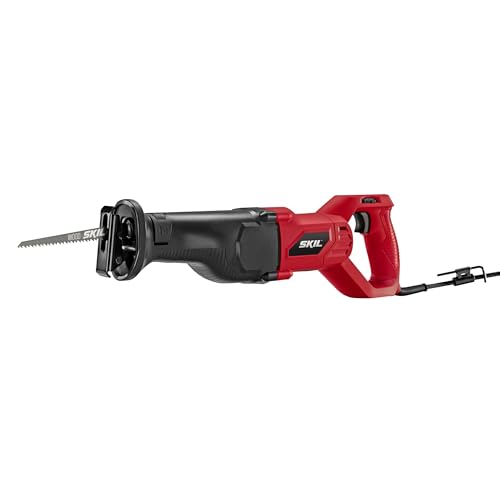
- 7.5 amp motor for general cutting tasks
- Tool-less blade change and counter balance
- Pivoting foot adds stability on tough cuts
Best For: Home mechanics seeking an affordable corded saw for occasional projects and basic garage use
Cordless Control Pick
DEWALT 20V MAX Reciprocating Saw

- 4-position blade clamp supports flush cutting.
- Variable speed trigger helps control cut speed.
- Tool-only design fits existing DEWALT 20V users.
Best For: Home mechanics who already own DEWALT 20V batteries.
All-in-One Kit
Olmlmo Cordless Reciprocating Saw Kit

- Includes 2 batteries, charger, case, and 8 blades.
- Brushless motor with 0-3200 RPM variable speed.
- Tool-free blade changes and compact 3 lb build.
Best For: Shoppers who want a complete ready-to-use cutting kit.
Platform Bare Tool
RYOBI ONE+ 18V Reciprocating Saw

- 3,400 SPM variable speed for general cutting.
- 1-inch stroke length suits everyday DIY tasks.
- Tool-only build is ideal for existing ONE+ owners.
Best For: Existing RYOBI ONE+ users needing a simple bare tool.
Compact One-Handed Pick – DEWALT ATOMIC 20V MAX Reciprocating Saw
DEWALT ATOMIC 20V MAX* Reciprocating Saw, One-Handed, Cordless, Tool Only (DCS369B)
Check Price On AmazonFor home mechanics looking for reciprocating saws for home mechanics, this DEWALT ATOMIC model stands out when you want a compact, easy-to-handle tool for tight spaces. Its one-handed design, brushless motor, and variable-speed trigger make it a practical choice for quick cuts and controlled work around the garage or workshop.
Best For: Home mechanics who want a lightweight cordless saw for compact spaces and everyday cutting tasks.
Pros:
- Compact 12.5-inch front-to-back design is easy to manage one-handed.
- Brushless motor adds performance and efficiency.
- Tool-free blade release makes blade swaps fast and simple.
- LED light helps brighten dark work areas.
Cons:
- Tool only, so battery and charger are not included.
- Best suited to lighter, more controlled jobs than heavy demolition.
This is a strong pick if you value maneuverability over brute force. The lightweight build and pivoting shoe should make it easier to control during awkward cuts.
High-Power One-Handed Pick – Milwaukee M18 FUEL Hackzall
Milwaukee 2719-20 M18 FUEL Hackzall (Bare Tool), Red, Black, | Saw (Tool Only) Model 2719-20
Check Price On AmazonIf you want reciprocating saws for home mechanics that prioritize power in a one-handed format, the Milwaukee M18 FUEL Hackzall is built for tough cutting jobs. Its brushless motor, 7/8-inch stroke length, and REDLINK Plus Intelligence are aimed at fast cutting and better tool protection during demanding work.
Best For: Home mechanics who need a powerful one-handed cordless saw for tougher cutting tasks.
Pros:
- POWERSTATE brushless motor is designed for increased cutting speed and power.
- 7/8-inch stroke length removes more material per stroke.
- Pivoting shoe helps maintain contact for smoother cuts.
- REDLINK Plus Intelligence adds overload protection and optimized performance.
Cons:
- Bare tool only, so battery and charger must be purchased separately.
- Heavier than some compact one-handed options.
This model is a better match when cutting performance matters more than ultra-light portability. It should appeal to users who want a compact saw that still feels serious about difficult cuts.
Heavy-Duty Corded Pick – DEWALT 12 Amp Reciprocating Saw
For home mechanics who prefer corded reciprocating saws for home mechanics, this DEWALT model brings a 12 amp motor and a 1-1/8-inch stroke length for fast, steady cutting. The 4-position blade clamp and variable-speed trigger make it versatile enough for flush cuts and different materials around the shop.
Best For: Home mechanics who want a corded saw for heavy-duty cutting and longer work sessions.
Pros:
- 12 amp motor is built for heavy-duty applications.
- 4-position blade clamp increases versatility for flush cutting.
- Keyless lever-action clamp makes blade changes easier.
- Variable speed and 1-1/8-inch stroke support efficient cutting.
Cons:
- Corded design limits portability compared with battery-powered saws.
- Heavier, full-size build may be less convenient for tight spaces.
This is the practical choice if you want consistent power without worrying about battery life. It should fit best in a garage setup where outlet access is not a problem.
Budget Cordless Kit Pick – BLACK+DECKER 20V MAX Reciprocating Saw Kit
For budget-minded shoppers comparing reciprocating saws for home mechanics, this BLACK+DECKER 20V MAX kit keeps the setup simple with a battery and charger included. The tool-free blade change, pivoting shoe, and variable-speed trigger give it the basic control features most casual garage users need.
Best For: Home mechanics who want an affordable cordless kit with the essentials included.
Pros:
- Includes battery and charger, so it is ready to use out of the box.
- Tool-free blade change makes swaps quick.
- Pivoting shoe adds control during cutting.
- Variable-speed trigger helps with easier speed control.
Cons:
- Smaller 7-inch blade length than some heavier-duty models.
- Not as robust as higher-end brushless options.
This kit makes sense if you want a straightforward entry-level option without extra accessory purchases. It is best viewed as a practical everyday saw rather than a premium performance tool.
Budget-Friendly Corded Power – SKIL 13 Amp Buzzkill Recip Saw
For home mechanics comparing reciprocating saws for home mechanics, this SKIL corded model stands out for straightforward power and better vibration control. The 13 amp motor is built for demanding cutting tasks, while BUZZKILL Technology is designed to reduce vibration so the saw feels more controlled during longer jobs.
Best For: Home mechanics who want a strong corded saw for general cutting, demolition, and shop use without moving up to a premium pro tool.
Pros:
- 13 amp motor provides solid power for a wide range of applications
- BUZZKILL Technology suppresses vibration up to 35% better than the competition
- Variable speed trigger helps match cutting speed to different materials
- Tool-less blade clamp is built for quick blade changes
Cons:
- Corded design limits mobility compared with battery models
- At 9 pounds, it is heavier than compact cordless options
- Best suited to wood in the supplied details, so it is less flexible on paper than some mixed-material models
This is a practical choice if you want dependable corded performance and vibration control for regular garage projects. It gives home users a sturdy, no-frills cutting tool that focuses on power and comfort rather than compact size.
Compact Cordless Performer – DEWALT 20V MAX XR Compact Recip Saw
Among reciprocating saws for home mechanics, this DEWALT cordless model is a strong pick when you need reach, control, and portability. Its compact 14.5-inch length helps it fit between studs and into tight spaces, while the brushless motor and 20V platform are aimed at longer runtime and efficient cutting.
Best For: Home mechanics who need a lightweight cordless saw for tight-access cuts, overhead work, and jobs around the house or shop.
Pros:
- Compact 14.5-inch body fits easily between studs and into tight spots
- Lightweight 5 lb. tool-only design helps reduce fatigue
- Brushless motor and up to 2.5x more runtime support longer use
- Keyless 4-position blade clamp and LED light add convenience
Cons:
- Tool only, so battery and charger may need to be purchased separately
- Lower wattage than corded models in this roundup
- Designed as a compact saw, so it is less about raw size than portability
This is the most mobility-focused option here, especially if your work often shifts between the garage, crawl spaces, and tight framing areas. It balances compact size with useful cutting features that make it easy to live with.
Simple Corded Value – SKIL 7.5-Amp Variable Speed Recip Saw
For buyers looking at reciprocating saws for home mechanics, this SKIL corded saw is a straightforward value option with the basics covered. Its 7.5 amp motor, tool-less blade change, and counter balance vibration control make it a practical choice for general cutting tasks without extra complexity.
Best For: Home mechanics who want an affordable, easy-to-use corded reciprocating saw for occasional projects and general shop work.
Pros:
- 7.5 amp motor delivers enough power for getting the job done
- Tool-less blade change keeps swaps simple
- Counter balance helps with vibration control
- Pivoting foot adds stability when cutting tougher materials
Cons:
- Lower power than the 13 amp option in this roundup
- Corded design limits movement around the workspace
- Fewer advanced features than higher-end compact models
This model makes sense if you want a basic saw that is easy to handle and doesn’t overcomplicate the purchase. It is a solid fit for lighter-duty garage use where value and simplicity matter more than maximum output.
Cordless Control Pick – DEWALT 20V MAX Reciprocating Saw
If you want reciprocating saws for home mechanics that feel familiar and dependable, this DEWALT 20V MAX model is built for quick cuts, flush work, and controlled handling. Its 1-1/8″ stroke, variable speed trigger, and 4-position blade clamp make it a practical fit for common garage and renovation tasks.
Best For: Home mechanics who want a cordless saw for controlled cutting, flush work, and everyday DIY use.
Pros:
- 4-position blade clamp supports flush cutting and more cutting angles.
- Variable speed trigger gives better control across different materials.
- 1-1/8″ stroke length is designed for fast cutting speed.
- Pivoting shoe helps with depth control and blade life.
Cons:
- Tool only, so you need a compatible 20V battery and charger.
- No included blades or accessory kit are listed in the supplied details.
This is a straightforward choice for users who already have DEWALT 20V batteries and want a compact cordless saw with strong control features. It focuses on the basics home mechanics usually need most: speed, versatility, and easy handling.
All-in-One Kit – Olmlmo Cordless Reciprocating Saw Kit
For home mechanics who want reciprocating saws for home mechanics with a ready-to-go accessory set, this Olmlmo kit stands out for its included batteries and blades. The brushless motor, variable speed range, and compact 3 lb build make it a flexible option for DIY cutting jobs around the house, yard, and workshop.
Best For: Buyers who want a complete cordless kit with batteries, blades, and a carrying case.
Pros:
- Includes two 4.0Ah batteries, charger, carrying case, and 8 blades.
- Brushless motor and 0-3200 RPM variable speed suit heavier DIY cutting.
- Tool-free blade change is designed to swap blades in about 5 seconds.
- Compact 3 lb design is easier to handle in tight spaces.
Cons:
- Larger kit may be more than needed if you only want a bare tool.
- Runtime is listed as about 30 minutes for outdoor tasks, so long sessions may need battery changes.
This is a strong all-in-one pick if you want to start cutting right away without buying extras separately. The included blade selection and battery pair make it especially practical for mixed materials and general home renovation work.
Platform Bare Tool – RYOBI ONE+ 18V Reciprocating Saw
If you already use the ONE+ platform, this RYOBI reciprocating saw is a straightforward fit for home mechanics who want a no-fuss tool-only option. The 3,400 SPM variable speed and 1-inch stroke length give it the core specs needed for everyday cutting tasks.
Best For: RYOBI ONE+ users who need a bare reciprocating saw for general household and garage projects.
Pros:
- 3,400 SPM variable speed supports a range of cutting tasks.
- 1-inch stroke length provides a solid cutting motion for general use.
- Tool-only format works well if you already own compatible batteries.
- Compact bare-tool design keeps the setup simple.
Cons:
- Battery is not included.
- Supplied details do not list extra blades or accessories.
This model makes sense if you want a basic cordless saw without paying for bundled extras. It is best suited to existing RYOBI owners who need an add-on tool for standard DIY cutting rather than a full starter kit.
How We Picked These Reciprocating Saws for Home Mechanics
We prioritized models that make sense for garage work, DIY repairs, and occasional demolition: enough power for common cutting tasks, comfortable handling, and blade changes that do not waste time. We also looked at whether each saw is better suited to cordless portability or corded all-day use.
Quick Comparison
In broad terms, cordless models are best when you work around the house, on ladders, or away from an outlet. Corded saws usually offer steadier power for longer cuts and tougher material. Compact one-handed saws are easier to control in tight spaces, while full-size saws are typically better for heavier demo work.
Key Buying Factors for Reciprocating Saws for Home Mechanics
Power and Speed
Look at strokes per minute, motor type, and whether the saw has variable speed. Higher speed helps with faster cutting, but variable control matters more for precision when you are cutting metal, plastic, or making a careful flush cut.
Corded Vs. Cordless
Corded saws are a smart choice if you want consistent runtime and often work near power. Cordless saws are more convenient for vehicle work, yard tasks, and quick repairs. If you already own batteries in a platform like DEWALT, Milwaukee, SKIL, or RYOBI, that can improve value.
Control and Comfort
For Reciprocating Saws for Home Mechanics, weight, vibration, grip shape, and one-handed use can matter as much as raw power. A smaller saw may be easier to manage under a sink, inside an engine bay, or between studs. Low-vibration designs can make longer cuts less fatiguing.
Blade Changes and Compatibility
Tool-free blade changes save time, and a secure blade clamp helps reduce slipping. Make sure the saw accepts the blade types you plan to use for wood, metal, pruning, and demolition.
Who Should Buy Which Reciprocating Saws for Home Mechanics?
If you want maximum convenience and already own compatible batteries, choose a cordless compact model. If you need the best all-around value for frequent home projects, a mid-range cordless or corded saw with variable speed is usually the safest bet. If your work is mostly heavy demolition or long cutting sessions, a higher-amp corded model is often the better fit. For occasional users, a budget cordless kit can be enough, especially if it includes batteries and blades.