Choosing the right scroll saw for fretwork can make the difference between crisp, intricate cuts and frustrating tear-out. The best models combine smooth speed control, easy blade changes, and stable cutting support.
Below, we’ve rounded up 10 strong options for hobbyists and serious woodworkers, with a focus on precision, usability, and value.
Best 10 Scroll Saws for Fretwork Picks for 2026
Large-format precision
DEWALT DW788 20-inch Scroll Saw
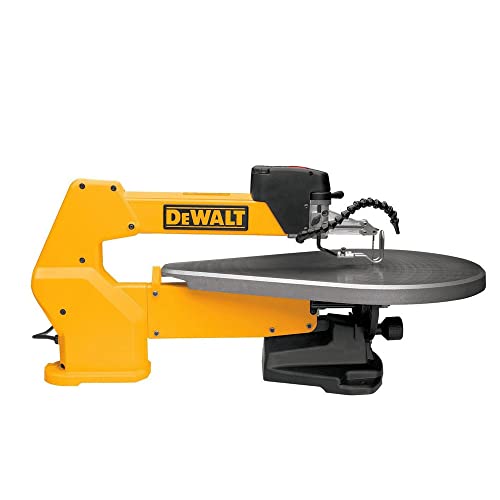
- 20-inch blade length for larger projects
- Variable-speed trigger for controlled cuts
- Double parallel link arm design for accuracy
Best For: Woodworkers who need a larger scroll saw for fretwork and detailed cutting
Hands-free control
Shop Fox W1872 16-inch VS Scroll Saw

- Foot switch supports hands-free cutting
- Variable speed: 550 to 1600 SPM
- LED, miter gauge, and pin-less adapter included
Best For: Fretwork users who want control, convenience, and useful cutting accessories
Quick-change convenience
WEN 3922 16-inch Variable Speed Scroll Saw

- Side panel and thumb screw adapter ease blade changes
- Variable speed from 550 to 1600 strokes per minute
- Includes air pump, dust port, and foot lock clamp
Best For: Hobbyists who want easier blade changes and dependable fretwork features
Simple starter option
RYOBI SC165VS 16-inch Scroll Saw
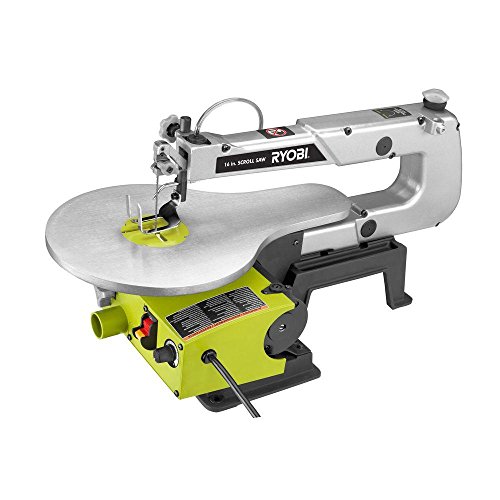
- Tool-free blade changes simplify setup
- Integrated dust blower improves line visibility
- 16-inch blade length suits common fretwork
Best For: Beginners and casual woodworkers looking for a simple fretwork saw
Easy-Access Value Pick
WEN 16-Inch Variable Speed Scroll Saw
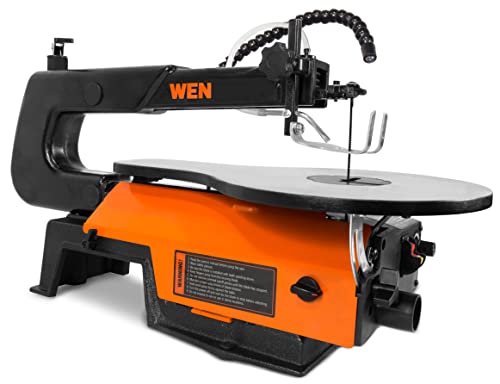
- Side panel opens for easy blade changes
- 550 to 1600 SPM variable speed
- 16-by-10-inch table bevels to 45 degrees
Best For: Hobbyists wanting an easy-to-use scroll saw for fretwork
Large-Table Power Pick
BUCKTOOL 22-Inch Scroll Saw with Big Table
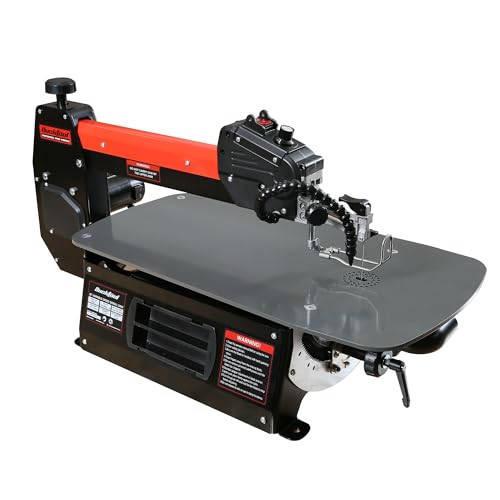
- 360 to 1550 RPM variable speed
- 27 x 13-inch work table
- Bevels 30° left and 45° right
Best For: Woodworkers needing a large scroll saw for bigger fretwork
Portable Compact Pick
Dremel Moto-Saw Compact Scroll Saw Kit
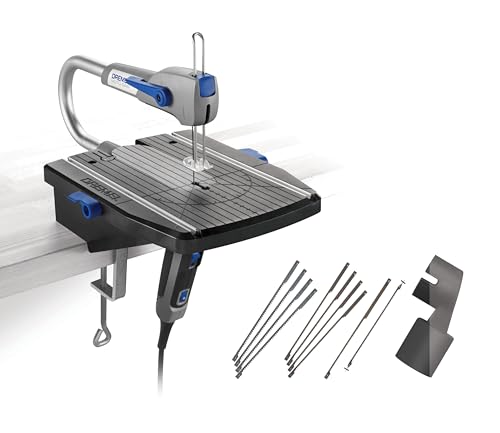
- Compact and portable design
- Auto tensioning quick-change mechanism
- Detachable coping function for handheld use
Best For: Crafters needing a portable saw for small fretwork
Precision Fretwork Pick
Hoteche 16-inch Power Scroll Saw

- 16-inch capacity with 50mm cutting depth
- 18 TPI blades for ultra-fine fretwork cuts
- 0-45° tilting table and dust port support clean work
Best For: detail-focused users needing a stable, large-capacity fretwork saw
Visibility-Focused Workshop Choice
SKIL 16 in. Variable Speed Scroll Saw

- LED worklight helps with detailed cut visibility
- Variable speed control supports different materials
- Keyless blade changes and dust removal simplify use
Best For: users who want easy handling and better cut-line visibility
High-Reach Detail Cutter

- 18-inch size with a large 21 x 13 in. table
- ±45° rotating arm supports angled cuts
- Pinned and pinless blade support adds flexibility
Best For: users who need a versatile saw for fretwork and larger cutwork
Large-format precision – DEWALT DW788 20-inch Scroll Saw
DEWALT Scroll Saw, 1.3 Amp, 20 in Steel Blade, With Variable-Speed Trigger, For Precise Cuts (DW788)
Check Price On AmazonIf you want scroll saws for fretwork that can also handle larger pattern work, the DEWALT DW788 gives you a 20-inch blade setup, variable speed, and a double parallel link arm design for controlled cuts. It’s built for wood and includes a 45-degree cutting angle, so it suits hobbyists who need steady performance on detailed shapes and wider panels alike.
Best For: Makers who want a larger 20-inch scroll saw for precise fretwork and general wood cutting.
Pros:
- 20-inch blade length provides a roomy cutting capacity for bigger workpieces
- Variable-speed trigger helps you adapt cut speed to the pattern and material
- Double parallel link arm design supports more controlled, accurate cutting
- 45-degree cutting angle adds flexibility for angled detail work
Cons:
- Heavier than many compact scroll saws at 30 kg
- Designed for wood, so it’s less versatile for other materials
This is a strong pick if your fretwork projects regularly need extra throat size and a more substantial saw body. The tradeoff is size and weight, but for precision-focused woodworking it offers a capable, no-nonsense setup.
Hands-free control – Shop Fox W1872 16-inch VS Scroll Saw
Shop Fox W1872 16" VS Scroll Saw with Foot Switch, LED, Miter Gauge, Rotary Shaft
Check Price On AmazonFor scroll saws for fretwork, the Shop Fox W1872 stands out with a variable-speed motor, foot switch, and LED support that make it easier to stay focused on fine detail. Its 16-inch cutting width, pin-less blade adapter, and table tilt range give it the core features most users want for pattern work in wood.
Best For: Detail-oriented users who want hands-free control and helpful cutting aids for fretwork.
Pros:
- Foot switch adds hands-free control while following intricate patterns
- Variable speed from 550 to 1600 SPM helps match cut speed to the task
- LED, miter gauge, and rotary shaft expand day-to-day usability
- Pin-less blade adapter included for easier blade setup
Cons:
- 16-inch cutting width is smaller than 20-inch alternatives
- Heavier, workshop-style machine at 26 pounds
This model makes sense if you value control and convenience more than maximum capacity. The foot switch and accessory set are especially useful when your fretwork demands frequent repositioning and close attention to the cut line.
Quick-change convenience – WEN 3922 16-inch Variable Speed Scroll Saw
The WEN 3922 is a practical choice among scroll saws for fretwork if you want quick blade changes and steady variable-speed control. It features a side panel that flips open, a thumb screw blade adapter, and a 16-by-10-inch table that bevels to 45 degrees, making it easy to move between detailed cuts and angled work.
Best For: Hobbyists who want fast blade changes and straightforward control for detailed wood projects.
Pros:
- Side panel opens for easier blade changes
- Variable speed from 550 to 1600 strokes per minute suits detailed work
- 16-by-10-inch table bevels up to 45 degrees for angled cuts
- Includes air pump, dust port, foot lock clamp, and three blades
Cons:
- 16-inch throat depth may limit larger fretwork pieces
- Uses a corded setup, so placement depends on outlet access
If ease of setup matters, this saw is a solid fit for repeat fretwork sessions. Its blade-change design and included accessories make it friendlier for users who want less fuss and more cutting time.
Simple starter option – RYOBI SC165VS 16-inch Scroll Saw
If you’re comparing scroll saws for fretwork and want a straightforward corded model, the RYOBI SC165VS keeps the essentials in place. It offers tool-free blade changes, an integrated dust blower, and a 16-inch blade length, making it a practical option for woodworkers who want simple setup and basic detail-cutting support.
Best For: Beginners and casual users who want a simple scroll saw for wood fretwork.
Pros:
- Tool-free blade changes make setup quicker and simpler
- Integrated dust blower helps keep the cut line visible
- 16-inch blade length is suitable for common fretwork tasks
- Includes blade, hex wrench, and switch key
Cons:
- 30-day warranty is shorter than many competing models
- Accessory package is more basic than feature-rich alternatives
This is the most basic pick in the group, but that can be a plus if you want a simple saw without extra complexity. It covers the core needs for wood fretwork while staying easy to learn and maintain.
Easy-Access Value Pick – WEN 16-Inch Variable Speed Scroll Saw
WEN Variable Speed Scroll Saw, 16-Inch with Work Light and Easy Access Blade Changes (3923)
Check Price On AmazonIf you want scroll saws for fretwork with straightforward blade changes and a practical cutting range, this WEN model is built for that job. The 16-inch throat, variable speed control, and beveling table make it a solid fit for detailed wood projects without adding unnecessary complexity.
Best For: Hobbyists and DIY woodworkers who want an easy-to-use scroll saw for general fretwork and angled cuts.
Pros:
- Side panel flips open for easy-access blade changes.
- Variable speed ranges from 550 to 1600 strokes per minute.
- 16-by-10-inch table bevels up to 45 degrees for angled cuts.
- Includes air pump, dust port, foot lock clamp, and three 5-inch blades.
Cons:
- 16-inch throat depth may be limiting for larger workpieces.
- Blade changes are tool-free, but still rely on the included thumb screw adapter.
This is a well-rounded pick if your priority is simple setup, practical cutting features, and a size that suits most fretwork tasks.
Large-Table Power Pick – BUCKTOOL 22-Inch Scroll Saw with Big Table
For scroll saws for fretwork that need a bigger work area and more flexible blade options, this BUCKTOOL model stands out. Its 27 x 13-inch table, variable speed motor, and beveling arm are aimed at users who want room for larger projects and cleaner angled cuts.
Best For: Woodworkers who want a large tabletop scroll saw for bigger fretwork pieces and interior cuts.
Pros:
- 1/5 HP 1.3A motor with 360 to 1550 RPM variable speed.
- Large 27 x 13-inch work table provides plenty of support.
- Upper arm bevels 30° left and 45° right for angled cuts.
- Includes pinless blades and compatibility with several blade sizes and spiral blades.
Cons:
- Larger footprint may be less convenient in small shops.
- More features may be more machine than casual users need.
If your fretwork projects benefit from extra table space and wider blade compatibility, this BUCKTOOL offers a very capable setup.
Portable Compact Pick – Dremel Moto-Saw Compact Scroll Saw Kit
If you need compact scroll saws for fretwork and smaller detail work, this Dremel kit is built around portability and quick setup. It works as a stationary scroll saw or a detachable coping tool, making it useful when you want to bring the tool to the project instead of the other way around.
Best For: Crafters and light-duty woodworkers who want a compact, portable saw for small fretwork tasks.
Pros:
- Compact design with a fast-clamp base for tables and benches.
- Auto tensioning quick-change mechanism for easier accessory changes.
- Detachable coping function adds handheld flexibility.
- Dust port adapter helps keep the work area and sightline clear.
Cons:
- Smaller 3.8-inch blades and compact format limit heavy-duty work.
- Designed for multi-surface use, not just traditional woodworking setups.
This is the most portable option here, so it makes sense when you value small-space convenience and light fretwork versatility over table size.
Precision Fretwork Pick – Hoteche 16-inch Power Scroll Saw
If you’re comparing scroll saws for fretwork, the Hoteche 16-inch model is built for detailed, controlled cutting with a roomy 16-inch capacity and 18 TPI blades. Its 85W motor, variable-speed performance, and vibration-conscious design make it a practical choice for intricate scrollwork, marquetry, and craft cuts where clean lines matter.
Best For: Hobbyists and workshop users who want a large-capacity scroll saw for detailed fretwork, craft pieces, and angled cuts.
Pros:
- 16-inch cutting capacity with 50mm cutting depth for larger workpieces
- 18 TPI precision blades aimed at ultra-fine cuts for fretwork and marquetry
- Adjustable 0-45° tilting table supports beveled and compound cuts
- Tool-free blade changes plus built-in dust blower and vacuum port
Cons:
- 85W motor is geared more toward detailed work than heavy stock removal
- Designed for corded 120V use only
For buyers who value accuracy and a stable setup, this Hoteche model covers the key needs of fretwork without unnecessary complexity. The combination of fine-tooth blades, dust management, and a tilting cast-iron table makes it well suited to patient, detail-oriented projects.
Visibility-Focused Workshop Choice – SKIL 16 in. Variable Speed Scroll Saw
SKIL 1.2 Amp 16 in. Variable Speed Scroll Saw with LED Work Light for Woodworking - SS9503-00
Check Price On AmazonFor scroll saws for fretwork, the SKIL SS9503-00 stands out for visibility and control. It combines variable speed, a tilting 16 x 10 inch table, an integrated dust removal system, and an LED work light, giving you the visibility and cutting control that detailed fretwork and craft patterns typically require.
Best For: Woodworkers who want a user-friendly scroll saw with bright lighting and easy blade changes for detailed cuts.
Pros:
- Integrated LED worklight improves visibility at different angles
- Electronic variable speed control helps match the cut to the material
- Keyless blade change and on-tool blade storage add convenience
- Dust removal system helps keep the cut line clear
Cons:
- Table size is smaller than some larger 18-inch options
- Best suited to wood, based on the supplied surface recommendation
If your priority is making accurate fretwork with minimal fuss, this SKIL saw keeps the workflow straightforward. The light, dust removal, and blade-change features are especially useful for users who want to stay focused on the cut rather than the setup.
High-Reach Detail Cutter – BUCKTOOL 18-Inch Scroll Saw
When looking at scroll saws for fretwork, the BUCKTOOL 18-inch model leans into flexibility and reach. Its 1.3A motor, 550-1600 FPM variable speed, and support for both pinned and pinless blades make it adaptable for delicate fretwork as well as tougher hardwood projects, while the rotating saw arm helps with angled cuts without shifting the workpiece.
Best For: Makers who want a versatile saw for fretwork, bevel cuts, and bigger projects with easy blade handling.
Pros:
- 18-inch table and 21″ x 13″ work surface provide generous workspace
- Rotating saw arm pivots ±45° for angled cuts without moving the piece
- Tool-less blade clamps and top-down blade insertion speed up changes
- Supports both pinned and pinless blades for more cutting flexibility
Cons:
- Larger footprint may take up more bench space
- Many of its strengths are geared toward versatility rather than ultra-compact portability
This BUCKTOOL is a strong fit if you want one saw that can handle fine fretwork and broader workshop tasks. The rotating arm and blade compatibility give it a practical edge for users who regularly switch between cut styles.
How We Picked These Scroll Saws for Fretwork
We focused on features that matter most for detailed work: speed control, blade-change convenience, table stability, cut capacity, and practical extras like dust ports, lights, and foot switches. For Scroll Saws for Fretwork, smooth operation and fine control matter more than raw power.
Quick Comparison
As you compare models, think in terms of workload. Compact saws are easier to store and suit occasional craft projects, while larger, heavier saws tend to offer more stability for long sessions and thicker material. Look for the best balance of throat depth, vibration control, and table support for your projects.
Key Buying Factors for Scroll Saws for Fretwork
Cutting Control
Variable speed helps you match the saw to wood type and pattern complexity. Lower speeds are often better for tight turns, delicate veneers, and fragile woods, while faster settings can improve efficiency on simpler cuts.
Blade Changes and Blade Type
Easy-access blade clamps save time and reduce frustration, especially if you switch blade sizes often. Tool-free or quick-change systems are helpful, but only if they hold blades securely.
Table Size and Tilt
A larger table gives you more support for fretwork sheets and larger panels. Tilt adjustment is useful when you need angled cuts or a more comfortable working position, but the table should lock down firmly.
Vibration, Lighting, and Dust Control
Low vibration improves accuracy and reduces fatigue. Built-in LED lighting makes it easier to stay on the line, and a dust port helps keep the cut line visible during detailed work.
Who Should Buy Which Scroll Saws for Fretwork?
If you’re a beginner or casual crafter, choose a compact, easy-to-use model with simple speed control and straightforward blade changes. If you work on larger fretwork pieces or want more all-day stability, a heavier bench saw with a wider table and stronger vibration control is usually the better fit. For small hobby spaces or portable use, a lighter saw makes more sense. For frequent, precise woodworking, prioritize build quality, smooth performance, and features that reduce setup time.
In short, the best choice depends on how often you cut, how intricate your patterns are, and how much room you have in the shop.